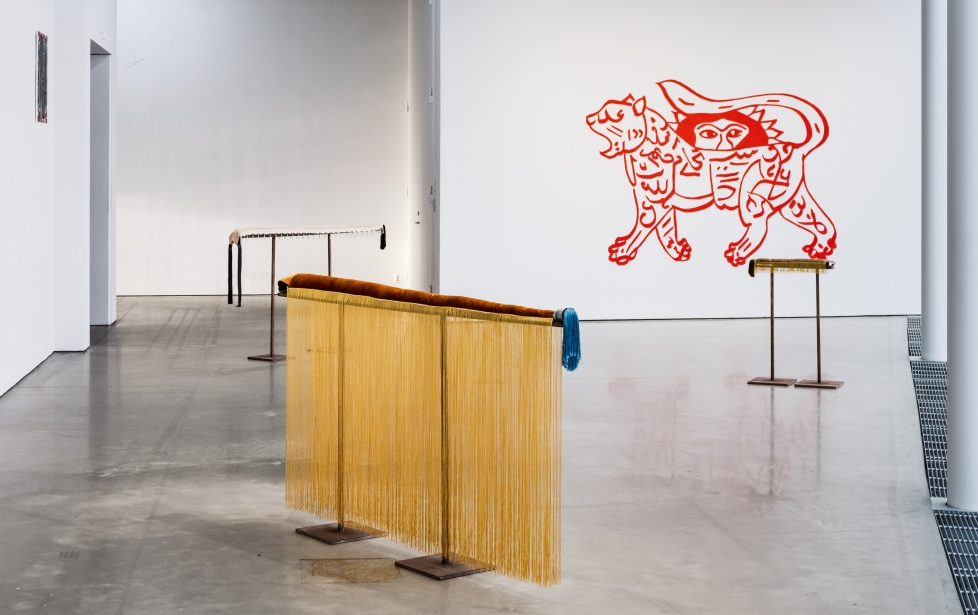
When Afrang Nordlöf Malekian’s work was recently on display at Bonniers Konsthall in Stockholm, I was captivated by a number of exquisitely decorated lion tails made for human use. A participatory performance staged as an Iranian house party and an interactive dance game in which a sun performs a striptease in front of an audience of lions extended the artist’s mythic, playful approach to queer politics.
Nordlöf Malekian, last year’s co-recipient of the prestigious Maria Bonnier Dahlin Award, has accomplished a lot since graduating from the Royal Institute of Art in Stockholm in 2022. Now, with the release of his first book, the ancient Persian symbol of the Lion and Sun once again plays a central role. The Tale of the (Fe)Male Sun (2026) is a kind of poetics in which short prose pieces outline a myth of a non-binary beauty ideal that the artist traces several hundred years back through historical texts and contemporary theory.
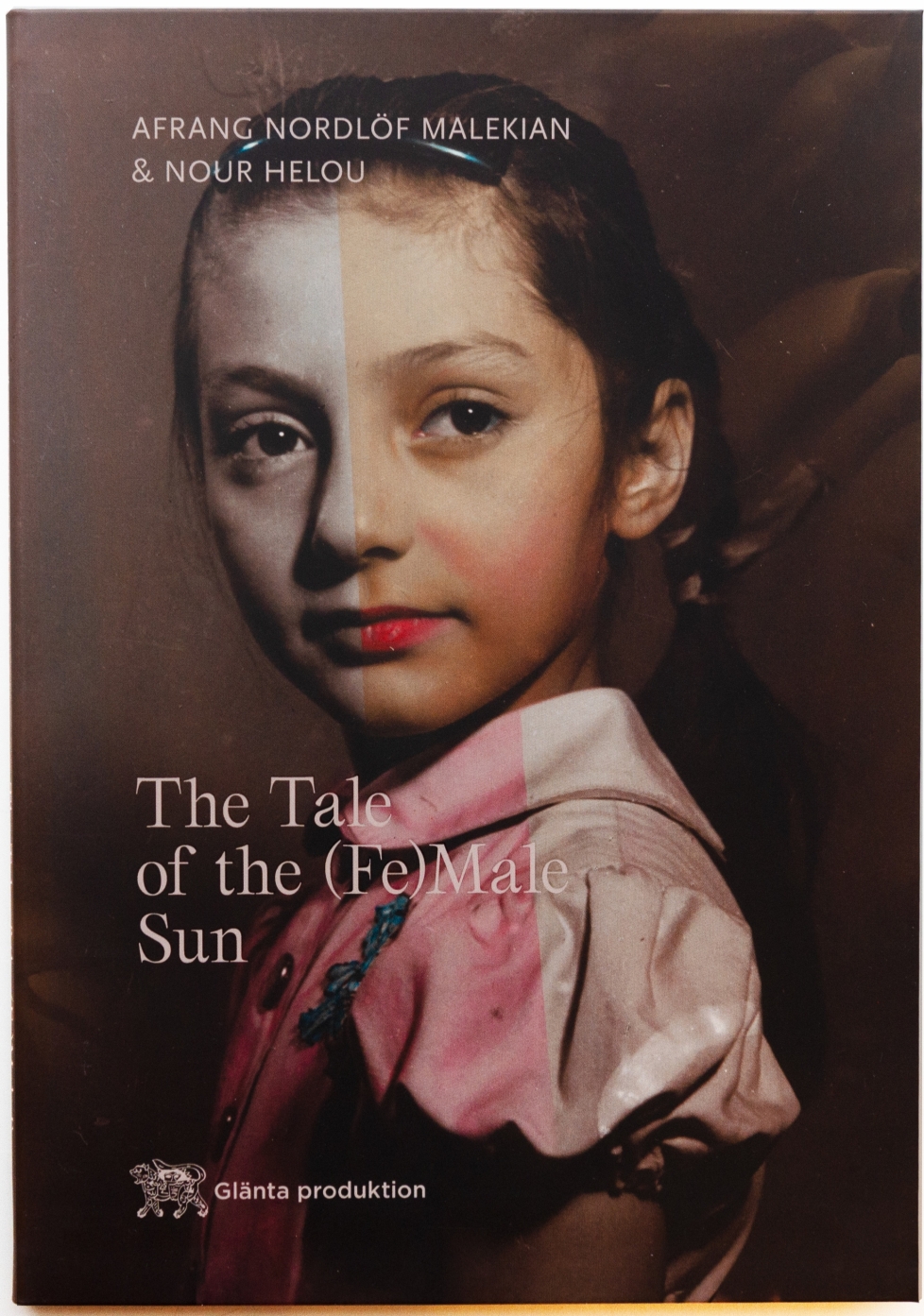
The historical arc runs from the Iranian Qajar dynasty (1792–1921) to the present day, and Nordlöf Malekian’s analysis is explicitly anti-colonial: “the anger, irritation, and anxiety over European interpretations of Iranian sexuality and customs transformed the structures of desire by separating homosociality from homosexuality.” Beauty becomes geopolitics.
The book is divided into two parts, the first of which lays out a creation myth in which the lion sings forth the sun’s birth, development, and final obscuration. The narrative is dense and rich in imagery. The closer it comes to our own time, the clearer it becomes how Western beauty standards have displaced what we today would read as queer expressions.
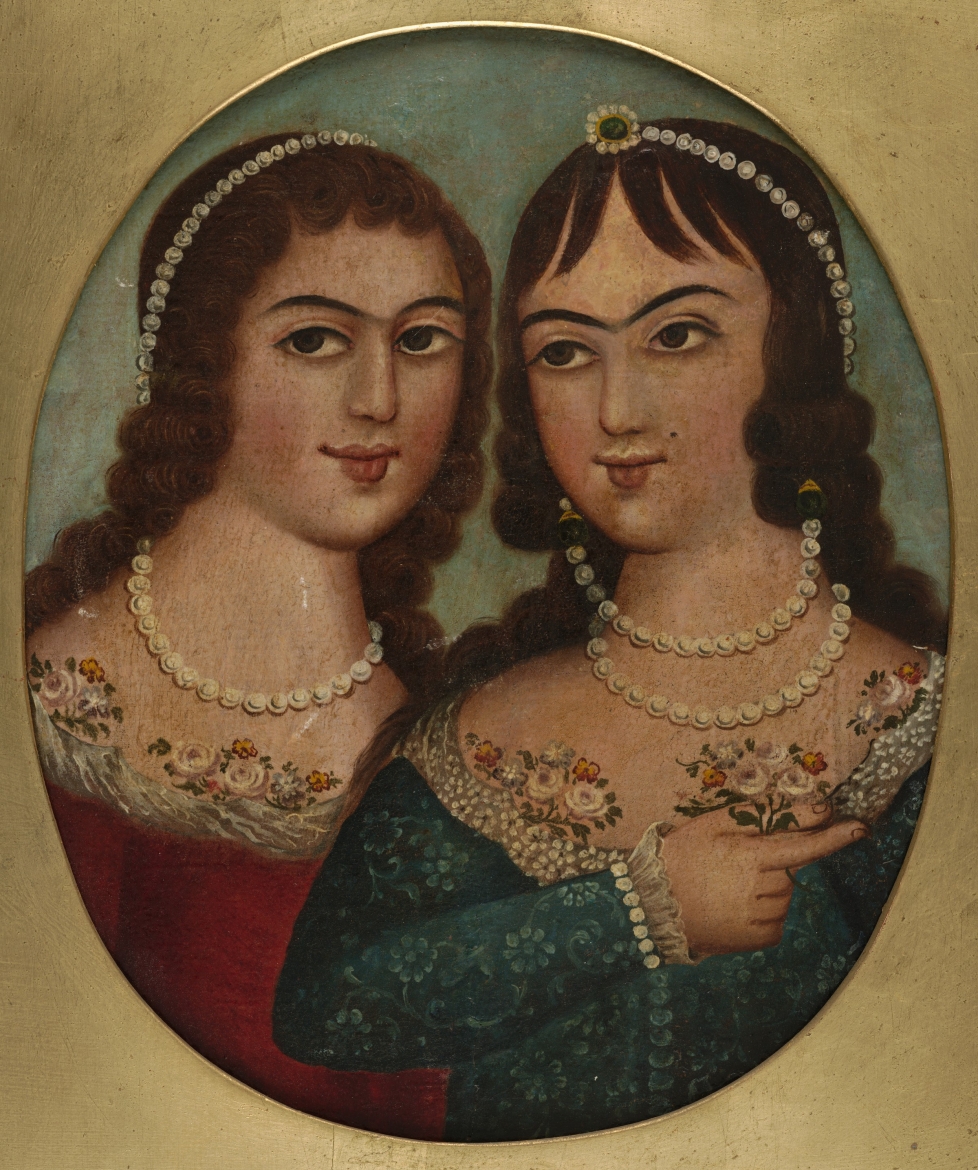
The second part – created together with art historian Nour Helou – activates counter-images through short prose pieces and visual material from the Arab Image Foundation in Beirut. Alongside the texts, portrait photographs incorporate traces of the androgynous Qajar face, “round as the moon, with almond-shaped eyes, a small nose, mouth, and curly hair.” These appear together with art-historical reference images, including miniatures of elegant courtesans with thick monobrows opulently draped in silks and jewels
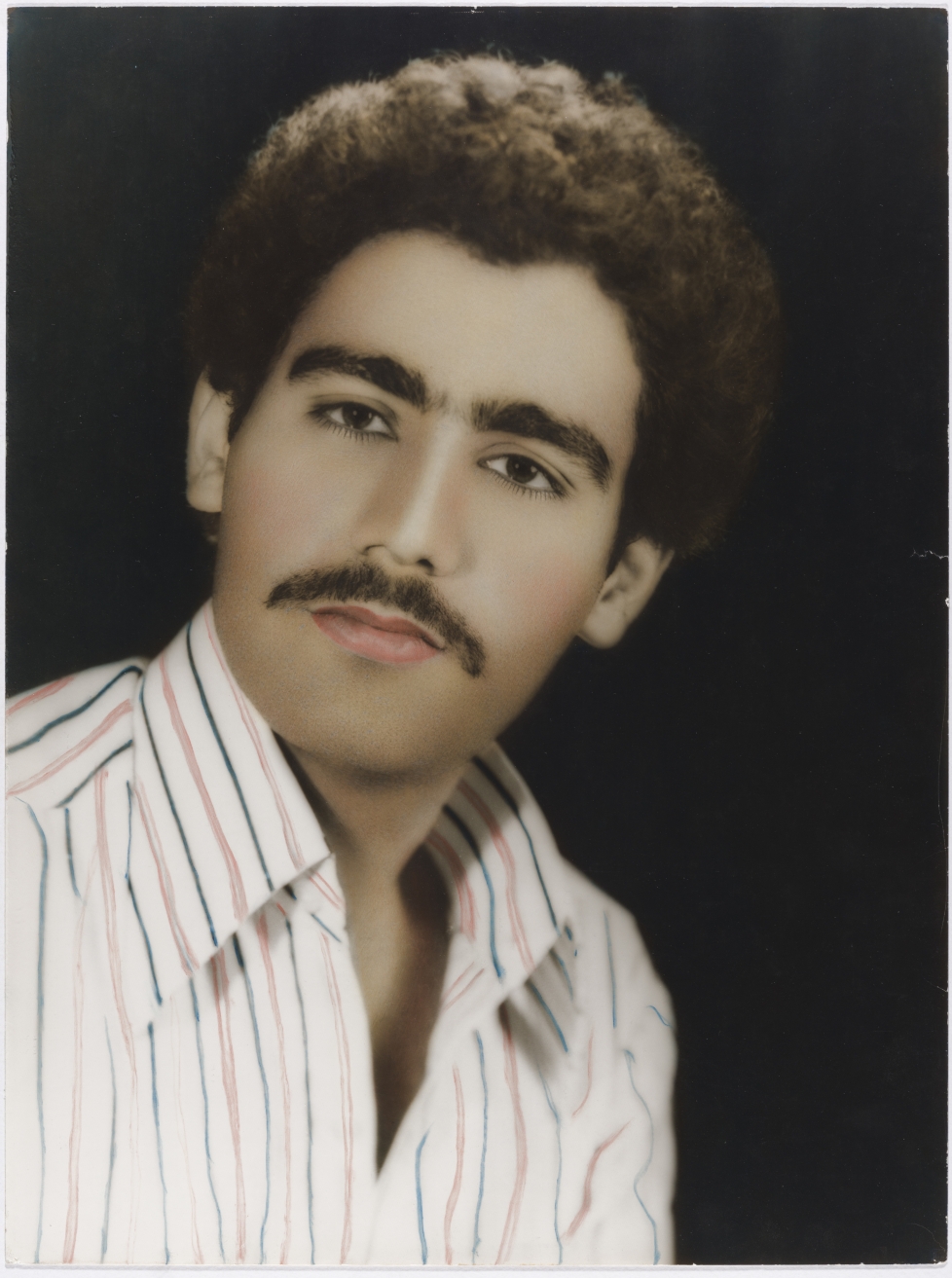
The book’s material carries enormous power, but the and poor layout and typesetting feel pretty far from the “omnipotent radiance” of the queer sun. But perhaps that matters less because the authors have created a compelling literary rendering of how normative beauty ideals have always established boundaries for what can be seen and done. More than a fictionalisation of the past, the book is a complex expression of the art’s ability to create powerful counter-images at a time when beauty is rarely treated with the seriousness it deserves.
What to do with an enchanting lion tail made of fringe and crystals? Wear it, worship it, and become someone else, answers Nordlöf Malekian.