Commercial Drift
As established Oslo galleries fold, the artist-run scene edges ever closer to the market.
As established Oslo galleries fold, the artist-run scene edges ever closer to the market.
Estonian Indigenous identity under scrutiny in Tallinn.
Five great works in and around Copenhagen right now.
Transcaucasian film poems, a science-fiction retrospective, and an exhibition woven from nerve fibres. The Danish art autumn is all aquiver.
In election-year Sweden, the art scene is politically ambitious but institutionally cautious.
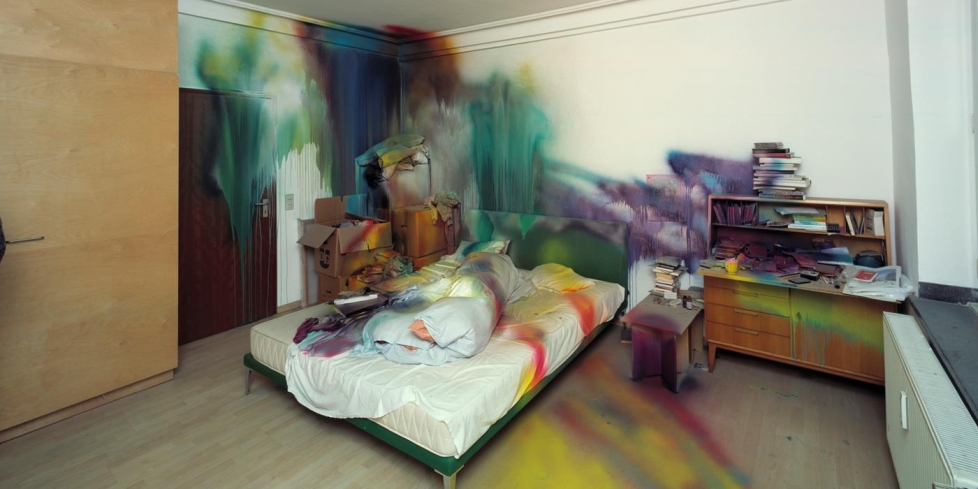
From Sámi art seeking to heal colonial wounds to spray-painted bedrooms and a brand-new museum – even as budgets shrink, the Norwegian art scene still offers a lavish autumn spread.

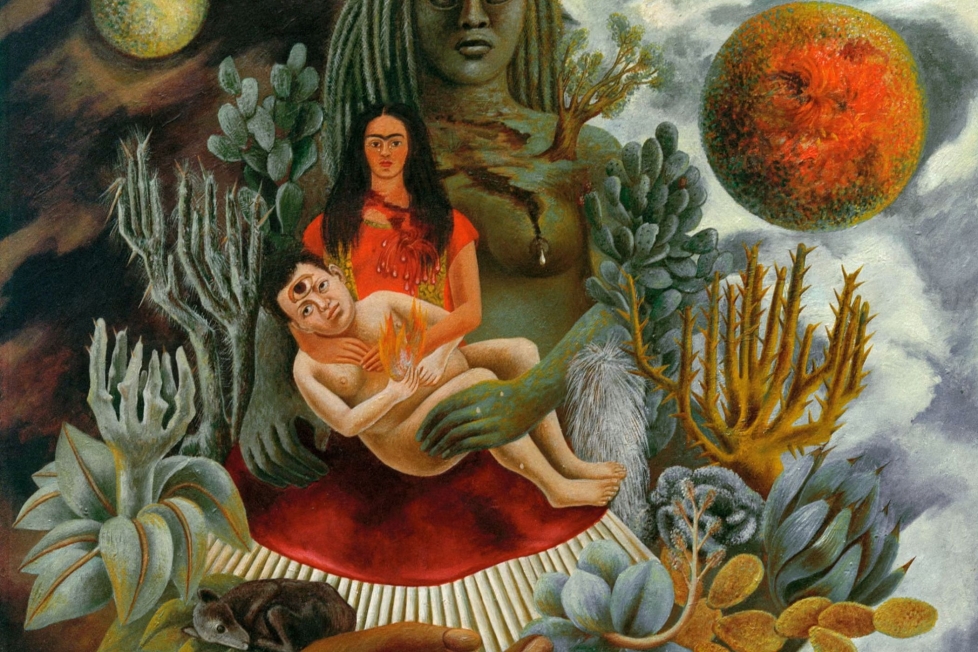
A European tour of works by Frida Kahlo brings attention to the uncertain future of a collection rooted in Mexico’s cultural history.
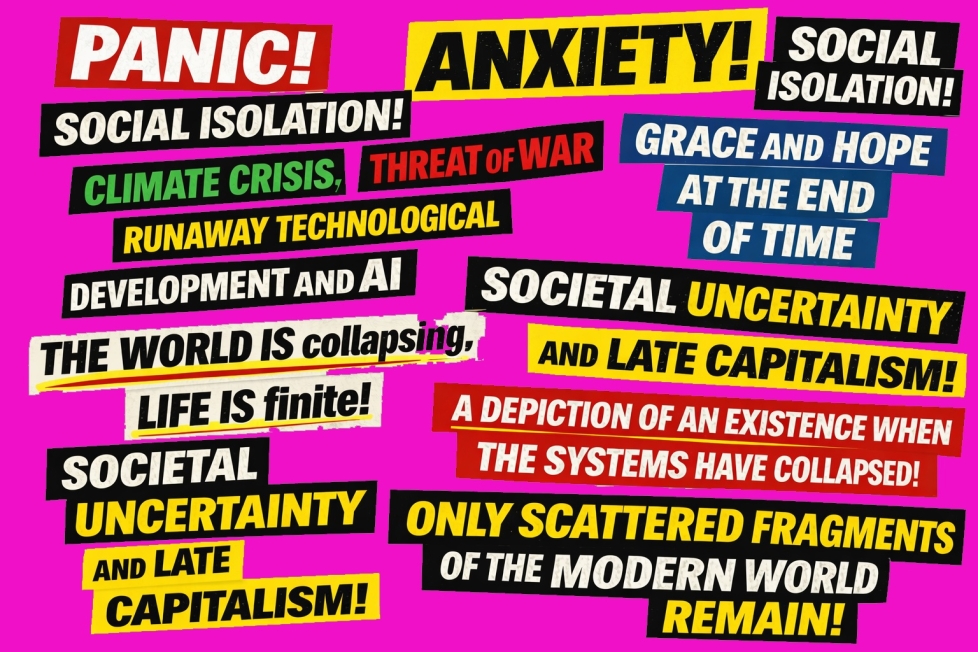
Contemporary art’s rhetoric of doom has become a comfortable cliché, as the scramble for relevance turns resistance into a risk-free, legible aesthetic.
The major museums in the Nordics are reaching out to expand their audiences like never before. But who is keeping contemporary art and history alive?
Recasting Stockholm’s Royal Institute of Art as a classical art school would erode artistic freedom.
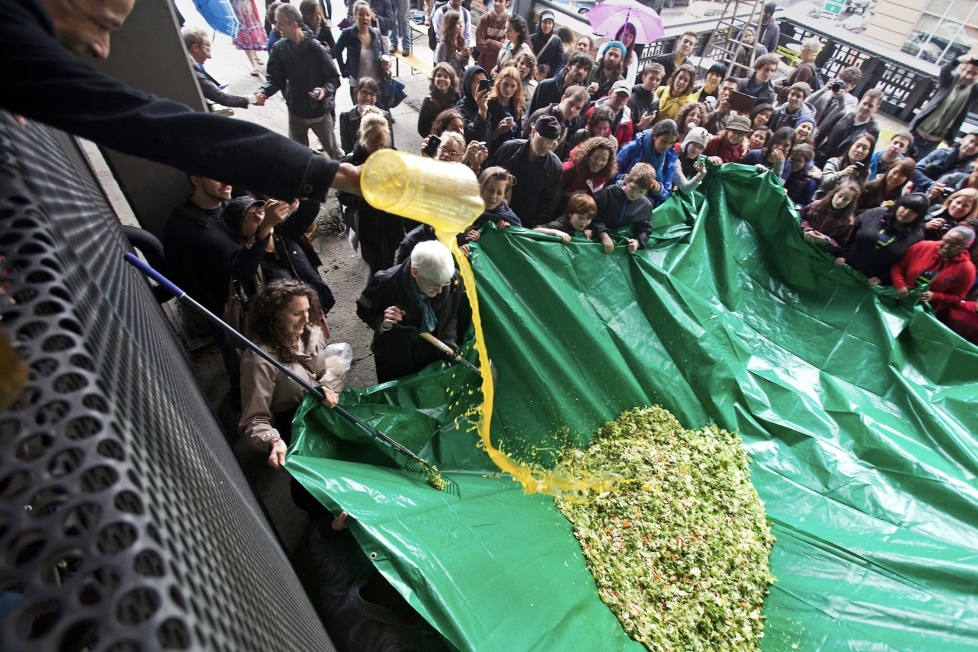
Geopolitics looms over everything in Denmark. But not on the art scene, which is serving up glam-rock, food happenings, and solo shows featuring international heavyweights.
The Swedish spring is marked by aesthetic confidence and structural uncertainty.

Tracey Emin’s art may often be dismissed as self-centered or banal, but her unsentimental life’s work delivers the necessary reminder that the private remains common.
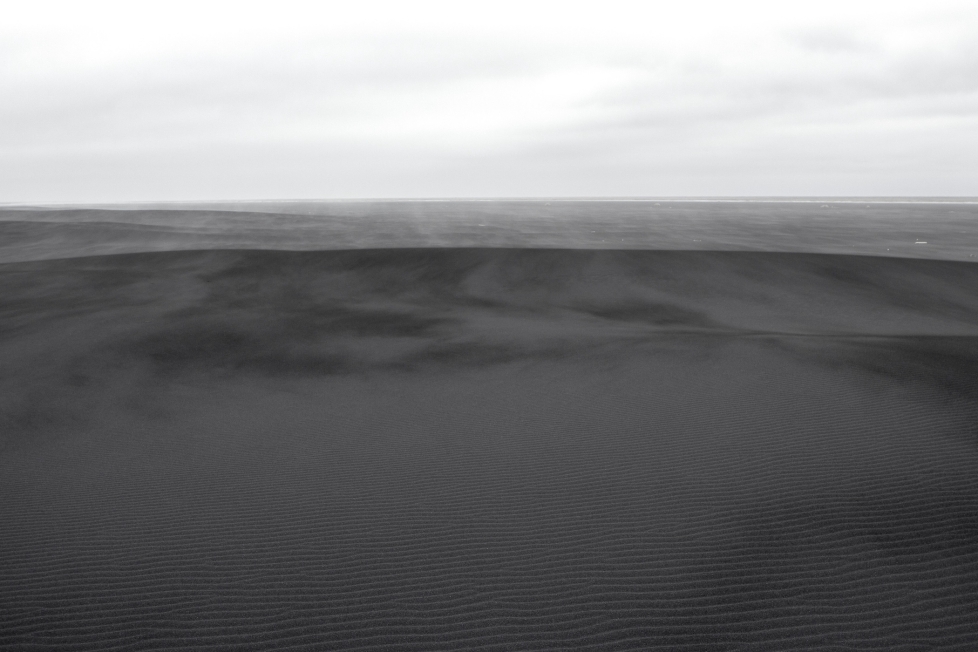
Everything on Reykjavík’s art scene centres on Iceland’s fierce, all-enveloping landscape – even when it’s about something else entirely.
Hélène Fauquet’s gleaming little treasure trove opened in Paris as the city burned and Art Basel Paris was forced to close early.
As established Oslo galleries fold, the artist-run scene edges ever closer to the market.