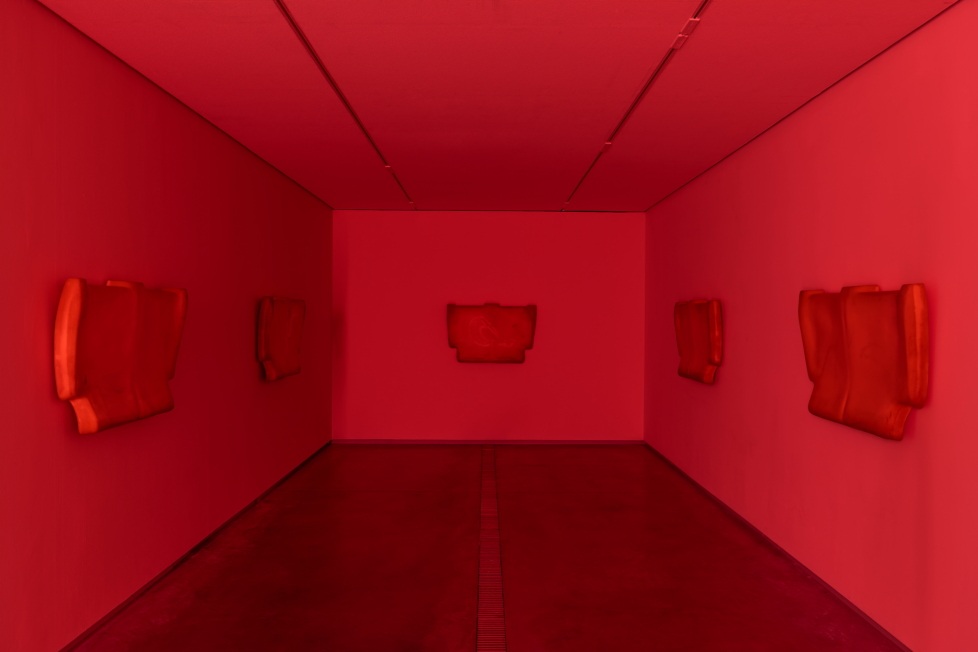
Having long had an especial interest in Lutz Bacher’s work, Kunstkritikk’s editor in Copenhagen, Pernille Albrethsen, could not resist visiting Oslo to see Burning the Days. The retrospective at Astrup Fearnley Museet closed last weekend and will now travel on to Brussels, where it will be shown at Wiels Centre for Contemporary Art, which collaborated on developing the exhibition. “I found myself thinking of Bacher’s oeuvre as a kind of defence – in the best, most plotless sense – of visual art and the freedom of thought, with all that this entails in terms of jokes, cosmic consciousness, and the collapse of meaning,” Albrethsen concludes in her review, which proved to be the most popular article of 2025 among our international readers.
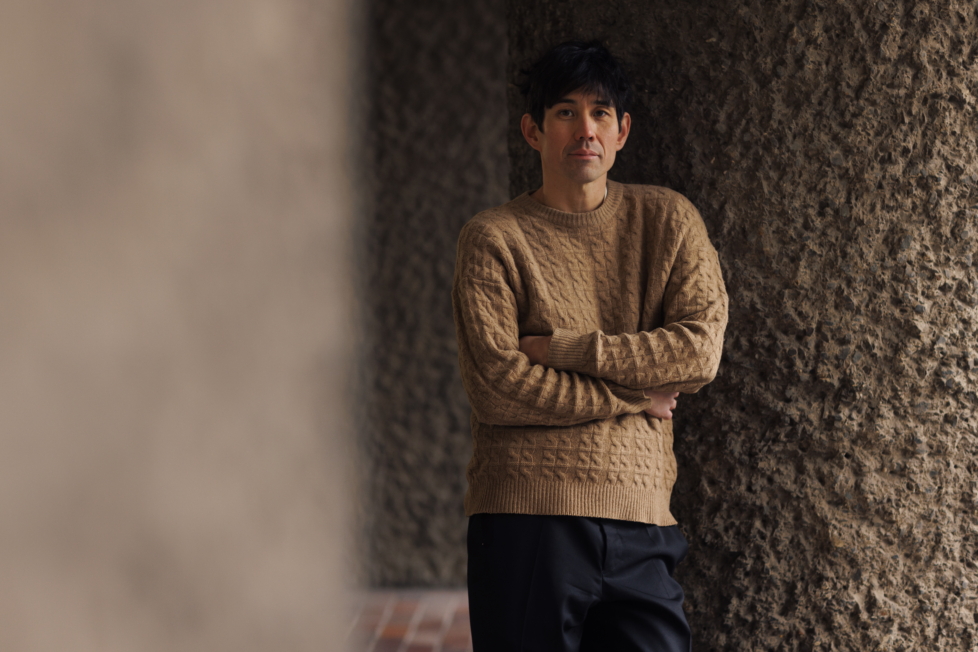
Following up on the publication of an extended Danish version of British art critic Dean Kissick’s much-debated essay ‘The Painted Protest’ from 2024, Kunstkritikk’s Louise Steiwer did an in-depth interview with the author, addressing his views on the current state of the art world. “The real problem with where art has ended up is the lack of radical thinking in the big institutions and biennials. These are neither radical political programmes nor radical artistic programmes. These are conservative programmes filled with commercial art objects,” Kissick told Steiwer.
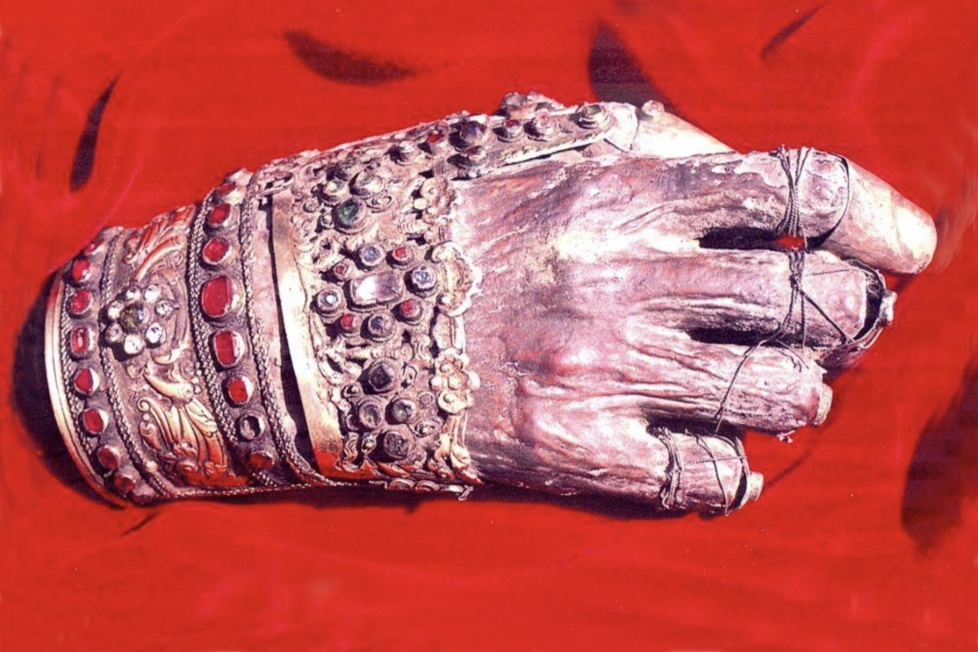
“This essay is part of a personal, ongoing search for something to hold onto, something that sustains my longing for a kind of transcendence lodged in the body’s flesh and blood,” Francesca Astesani, a writer and curator based between Copenhagen and Venice, states in her thoughtful contribution to our commentary series Something Is Rotten. Astesani addresses the dissociation between material and immaterial realities that affect us all in our daily lives, and turns to both contemporary culture and art history in her exploration of the topic.
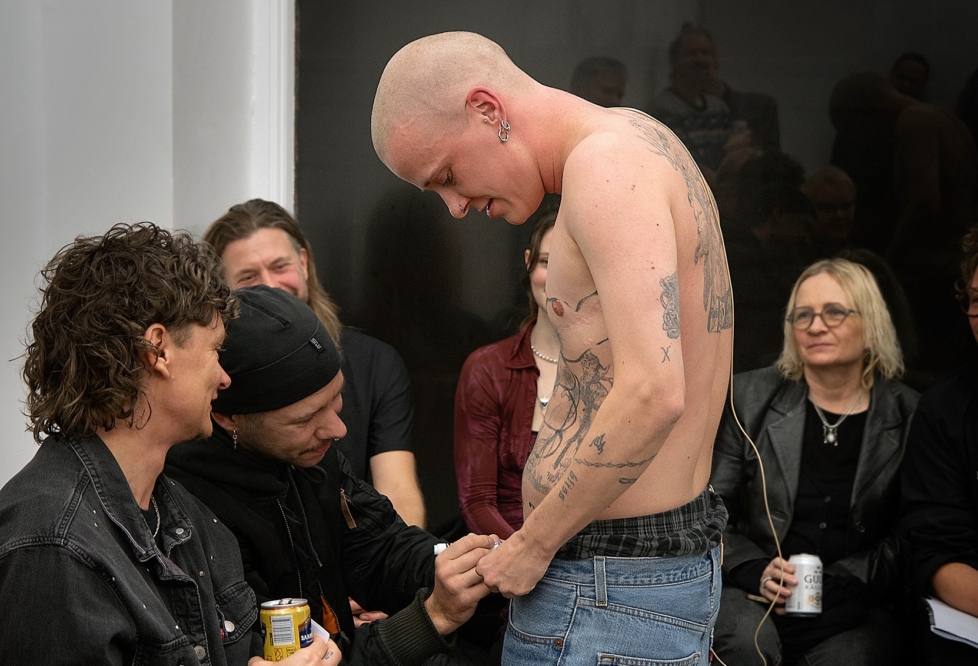
Kunstkritikk’s critic Nora A. Hagdahl reported leaving Gallery Weekend Stockholm feeling “thoroughly penetrated – and oddly exhilarated from the feeling that art, if only for a moment, had regained its sense of potency,” noting that the seemingly chaotic and sometimes opaque programme stemmed not from confusion, but from “big dick energy.”
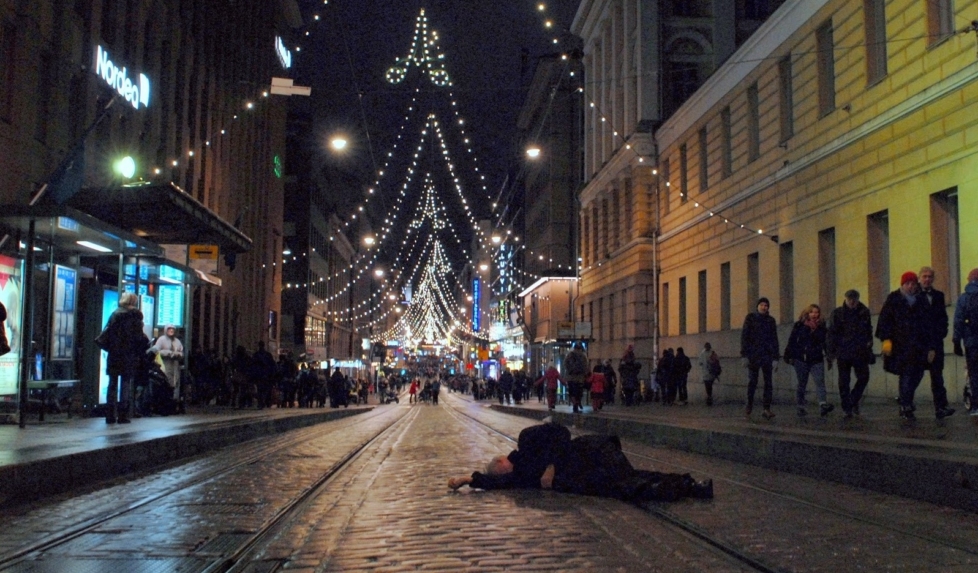
Finnish artist Jaakko Pallasvuo, also known for his Instagram account Avocado Ibuprofen, contributed to our Something Is Rotten series with a harrowing report from Helsinki. Describing an art scene affected by declining sales and dramatic cuts in public funding, Pallasvuo wonders “what might be found at the end of the poverty rainbow,” tentatively answering with a question: “Grace?”

“We may live in a hyper-aestheticised, digitalised, and post-truth world, but Anne Imhof captures how many of us are still driven by a desire to find something real within it,” Nora A. Hagdahl claims in her review of Imhof’s spectacular performance DOOM: House of Hope at the Park Avenue Armory in New York.

The need for courageous museums certainly has not decreased since I wrote this commentary, whose title was inspired by American artist Andrea Geyer’s 2025 project Manifest at Kunstnernes Hus in Oslo, in which she invited the public to formulate its wishes and visions for its art institutions. Realising that solidarity is something that will not come from above, however, I suggest that “we should probably all take a look in the mirror – that is, without drowning in it – and consider how we, in our work, can stretch beyond ourselves.”

Helsinki Biennial and the Cycle of Nature
“The common thread is that everything in nature is beautiful, from protozoa to blue whales,” our correspondent in Finland, Helen Korpak, notes in her review of last year’s Helsinki Biennial, arguing that she found the biennial’s approach to the theme of climate change to be “rather harmless.” However, highlighting works by the artist duo nabbteeri, Geraldine Javier, and Saskia Calderón, she admits that some pieces transcended what she calls “mere agreeability.”

“In a cultural climate in Germany that feels like it is becoming more repressive by the day, many would have wished for the curators to make a bolder statement,” critic Andreas Schlaegel writes in his review of the 13th Berlin Biennial. He goes on to speculate whether artists should already practice being sneaky: “Under extreme conditions, in the face of repression, persecution, violence, and systemic injustice, the artist needs to assume the role of a fox, a trickster who can adapt to adverse surroundings.”

In his review of Ghost or Spirit, Moderna Museet’s Mike Kelley retrospective, Kunstkritikk’s editor in Stockholm, Frans Josef Petersson, asks how the late American artist makes us feel today, “now that the hidden darkness he made it a shtick to poke at has let the mask fall and gone full apeshit with genocidal violence and far-right governments.” Petersson concludes that Kelley’s work has lost most of its subversive power, and that Moderna Museet’s show came through as a historical overview with an unclear purpose.