There is much to look forward to in this autumn’s art season, and it is harder than usual to discern any overarching tendency. Large and topical themes such as migration, ecology, and colonialism still feature prominently, but the programmes also make ample room for artists and exhibitions that do not tick these boxes.
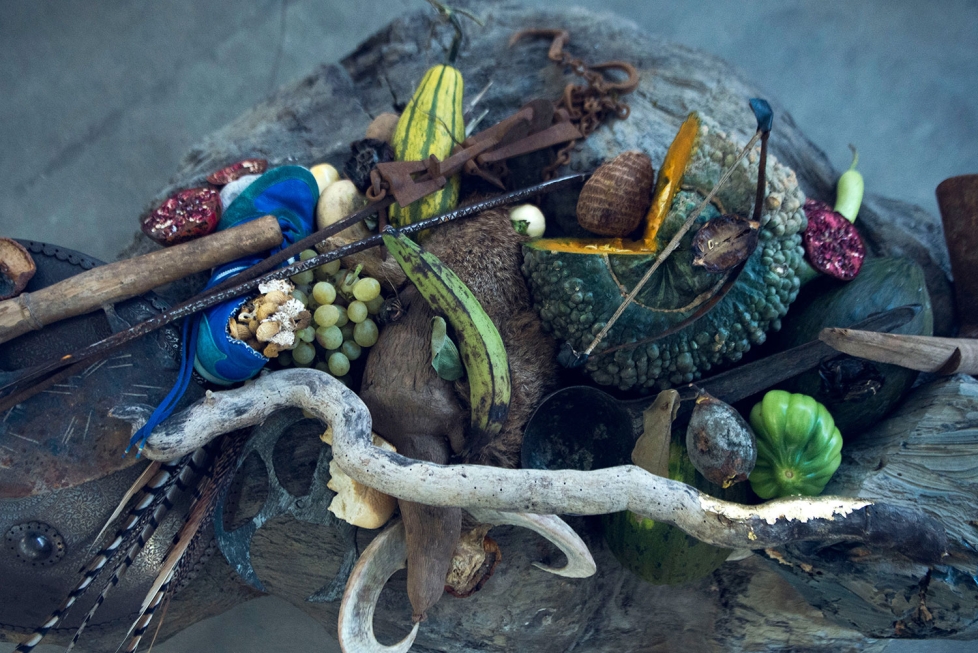
We begin at the top, with the National Museum of Norway. In November, it opens an exhibition by Adrián Villar Rojas, known for assemblage sculptures that function as a kind of living, ever-changing biotope. The time has also dawned for a solo exhibition by Ole Jørgen Ness in December. Few have been as steadfast in pointing out how a schematic system of values bears down on art, and the exhibition includes the gift that in 2017 brought an end to Ness’s 30-year disobedience project, in which he sought to convince Lånekassen (the Norwegian State Educational Loan Fund), to let him repay his student loan with art. The gift consists of twenty-four works that were transferred to the state (the National Museum and Kode) as a symbolic gesture of compensation for the interest on the student loan, which has been waived.
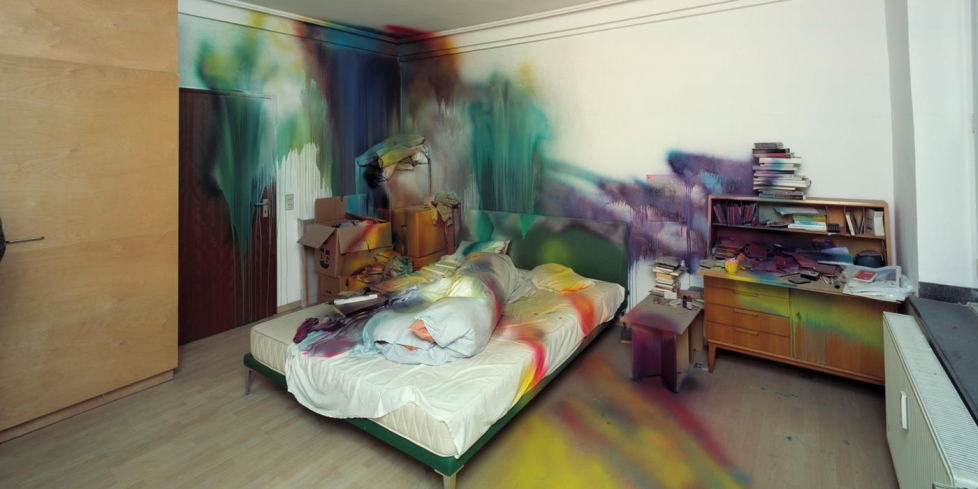
The Munch Museum – whose director’s position is now being advertised after Tone Hansen landed the job of heading the new Moderna Museet in Stockholm – also has a couple of treats in store. First up is more expansive German painting in the same vein as last year’s exhibition of Kerstin Brätsch. Katharina Grosse is known for using an industrial spray gun to create site-specific, spatial paintings, and in the exhibition Black Bed we encounter, among other things, a new version of an earlier work in which the artist sprayed her own bedroom – furniture and belongings included. In December follows a presentation of John Savio (1902–1938). Savio’s woodcuts and paintings combines traditional Sámi forms of expression with modern techniques, and he is regarded as a key figure in Nordic modernism, as well as a pioneer in challenging racist and stereotypical representations of Sámi culture.
First up at the Astrup Fearnley Museum is the bracingly media- and practice-oriented Material Shifts, devoted to sculpture in contemporary art. Solid home-grown names such as Ane Mette Hoel, Germain Ngoma, Kaare Ruud, and Stein Rønning are presented alongside, among others, Brad Kronz, Diane Simpson, and Miho Dohi. In late November comes an exhibition dedicated to the outsider-cum-popular-favourite Hariton Pushwagner. Pushwagner’s dystopian comic-book art has been through something of a credibility crisis after reproductions were churned out for years by the artist’s own gallery, just a stone’s throw from the museum. This is the first major institutional presentation of Pushwagner in Norway since his death in 2018, and may offer this distinctive body of work a much-needed rehabilitation.
Kunstnernes Hus, as usual, opens the season with the artist-juried Autumn Exhibition, an event that for obvious reasons is difficult to say much about in advance. In mid-November, it follows up with the group exhibition Support Structures. I can’t find a list of artists, but the show connects, under the theme of support structures ranging from the social and emotional to the functional, to the precarious state of the building itself. “Emphasizing relationships rather than discrete units, the works in the exhibition will inhabit the whole building, including the exhibition galleries, foyer and facade, dissolving conventional boundaries between craft, industrial design and art,” we are promised.
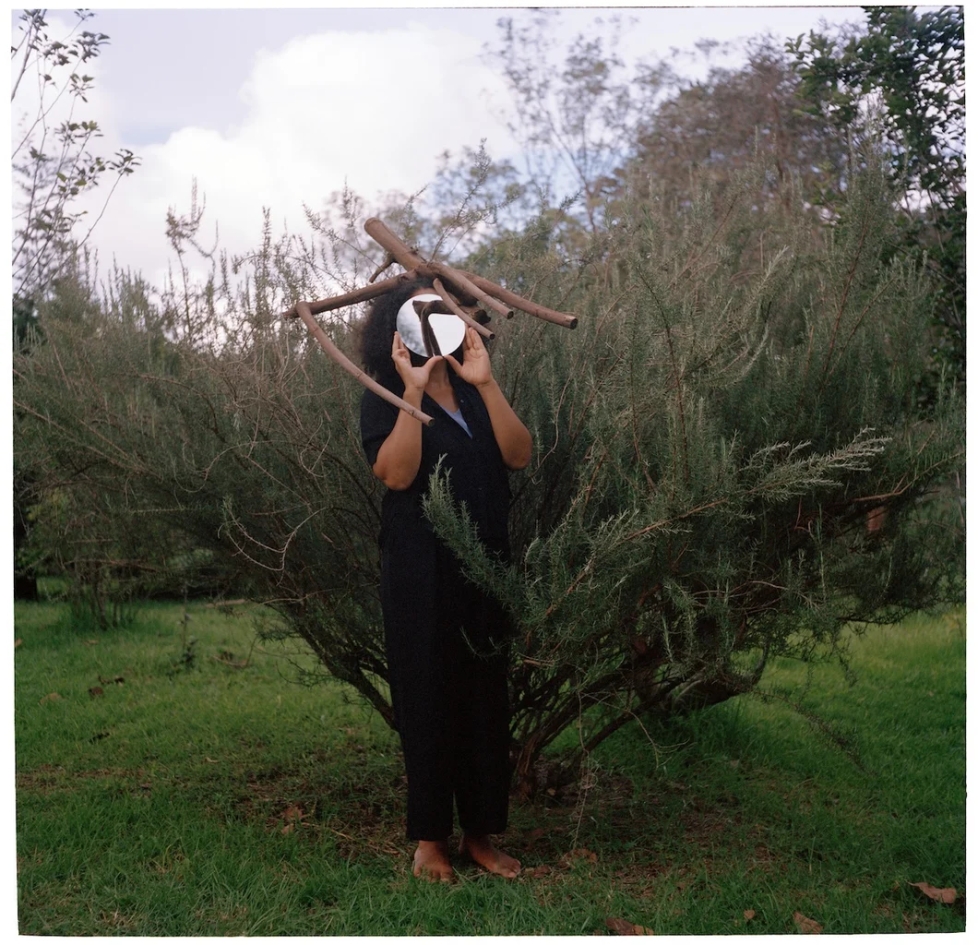
There is plenty going on at the capital’s smaller institutions, too. Oslo Kunstforening, which announced in late May that Mikael Damstuen Brkic would take over as director from Elisabeth Byre (who is moving on to Galleri F15), is hosting a solo exhibition by Maritea Dæhlin from the end of August. A video installation filmed in Longyearbyen and San Cristóbal de las Casas in Chiapas, Mexico, is combined with analogue photography and sound works in an exhibition exploring “how ritualistic actions and the body’s presence in different landscapes can activate memory, play, and possibilities for healing.” The first version of the exhibition was shown at Nordnorsk Kunstmuseum’s Svalbard branch last year, and, somewhat oddly, it will also be on view at Nordnorsk Kunstmuseum in Bodø at roughly the same time as the Oslo exhibition.
Last week, Fotogalleriet opened Crystal Bennes and Mohamed Sleiman Labat’s exhibition The Island, the Mine, and the Resistance Gardens, a new chapter in the larger ongoing research project that explores “how systems of food production shape landscapes, environments, and social structures across different geographical contexts.” In the second week of September, Atelier Nord opens Camille Norment’s exaltedly titled Wonderful, Marvelous, a generative soundscape of female voices and sonic feedback, where love, desire, and optimism meet politics and disillusionment.
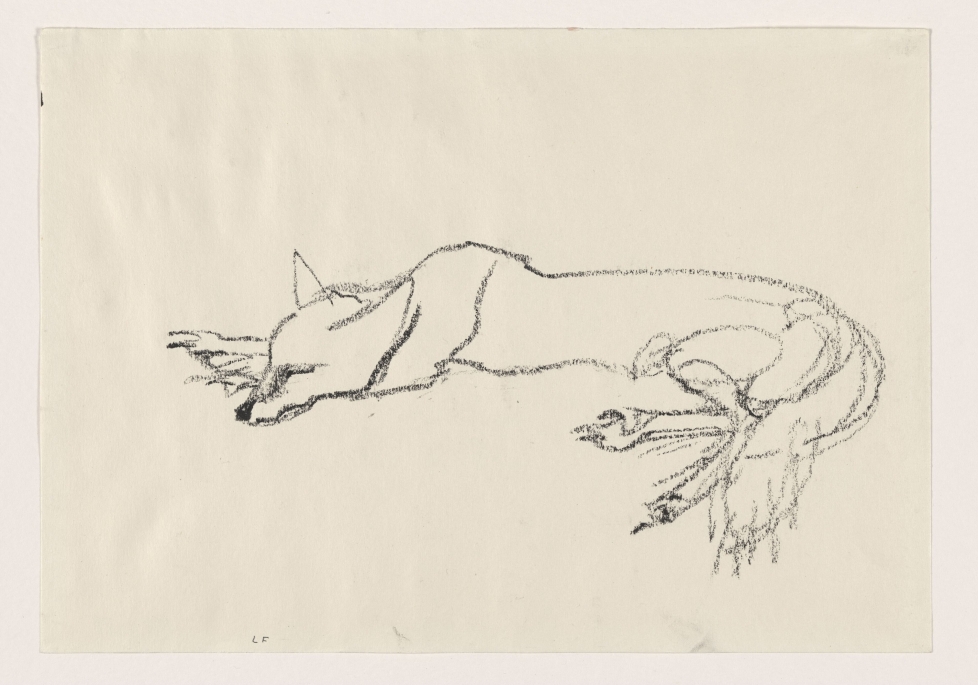
One event that should not go unnoticed this autumn is the opening, at the end of the month, of a brand-new museum (!) dedicated to Lillebet Foss (1930–2017) at Blaker dairy, run by Guttormsgaards arkiv. The collection comprises works that belonged to the artist’s friend Guttorm Guttormsgaard, as well as works from Foss’s estate and pieces and documents donated by her heirs. Foss was a virtuoso draughtswoman, and the opening exhibition, Bitt bak øret (A Bite Behind the Ear), turns its attention to her particular fondness for animal studies.
Several deceased artists are being given, if not museums of their own, then at least some temporary wall space. Haugar Art Museum in Tønsberg opens an exhibition of Kristina Bræin in September. Bræin, who passed away in 2022, was known for installations that bring abstract painting into a musical, improvisatory dialogue with the exhibition space. At the end of October, Lillehammer Art Museum opens an exhibition of Jørgen Doubloug (1945–2018), a painter of considerable range with roots in the German avant-garde scene of the 1970s, while Galleri F15 reaches further back in history with a presentation of the Cubist- and Purist-inspired paintings produced in the 1920s by Ragnhild Keyser (1889–1943), a pupil of Fernand Léger.
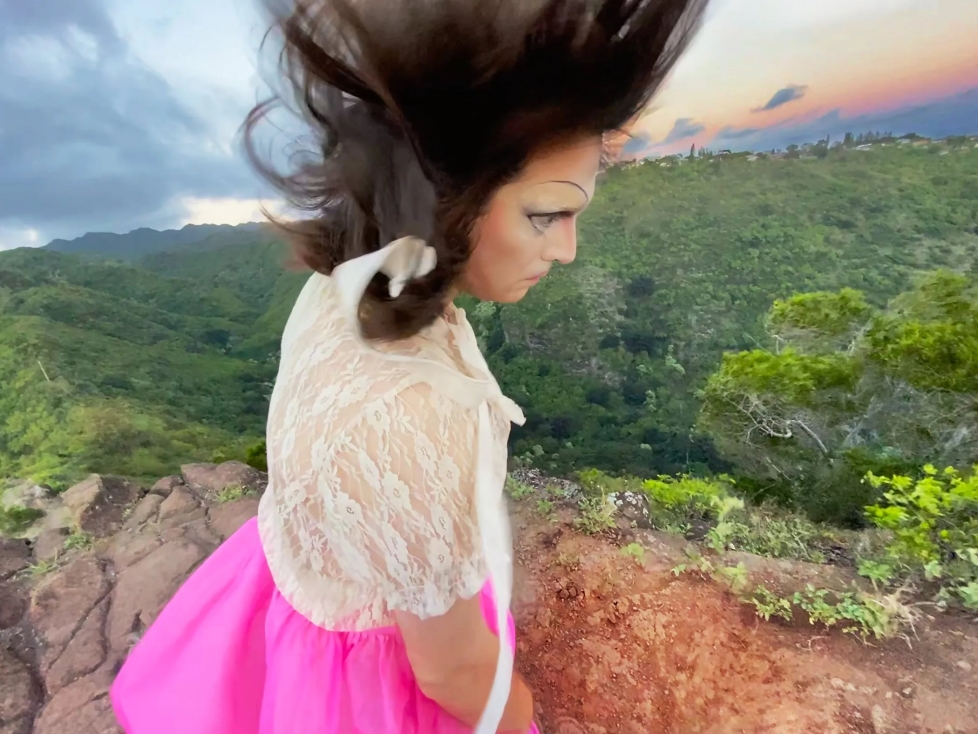
This autumn, Bergen Kunsthall launches a three-year programme of what it calls “live works.” First up is Nazanin Noori with a spoken-word opera, A Letter to Europe, premiering on 20 September. A couple of weeks later, the kunsthalle opens two separate exhibitions by Sung Hwan Kim and Olof Marsja. Kim will present a reconfigured version of a larger exhibition that has already stopped by the Van Abbemuseum in Eindhoven and ZKM | Center for Art and Media in Karlsruhe, where “intimate experiences are connected to larger questions of migration, translation, displacement, and belonging.” Marsja brings Sámi art and craft traditions and mythological motifs into dialogue with contemporary experience and aesthetics.
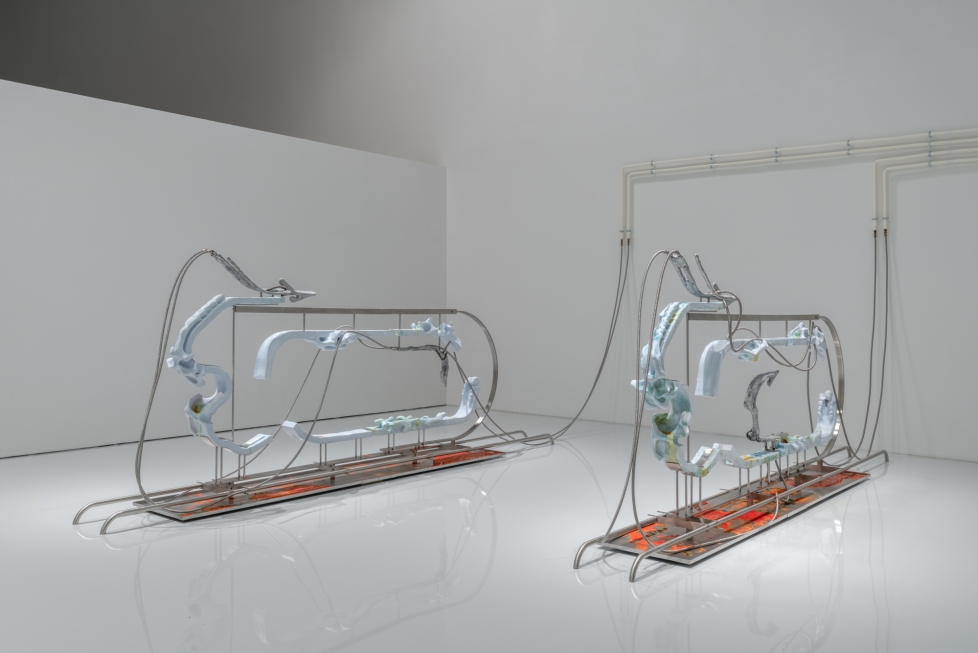
Sámi art also features at Trondheim Kunstmuseum, which in mid-October opens the group exhibition Ulmie with Sissel M Bergh, Amanda & Stacey Fayant, Meerke Laimi Thomasson Vekterli, and Guri Simone Øveraas. All have ties to southern Sápmi, and the exhibition proposes “that colonial wounds can be healed through new narratives and rootedness in Indigenous communities and traditional knowledge.” Shortly afterwards, Kunsthall Trondheim enters the fray with two parallel exhibitions: Mariella Otto examines the role of photography and the archive “in a contemporary moment where misinformation demands evidence,” while Isabelle Andriessen presents a series of newly produced automatons inspired by violent medieval rituals and instruments of torture. Grim.
Stavanger Art Museum is closed until mid-November for roof repairs, after which it will offer up Cory Arcangel’s first solo exhibition in Norway, Family Office, featuring works from the past decade of his practice. In the meantime, from mid-September, the city’s kunsthalle will show Anette Gellein’s recently completed film trilogy Tender Endings. The films, thematically rooted in the region, are described as a queer-feminist take on “the tensions between oil wealth, religious conservatism, desire, and control.”
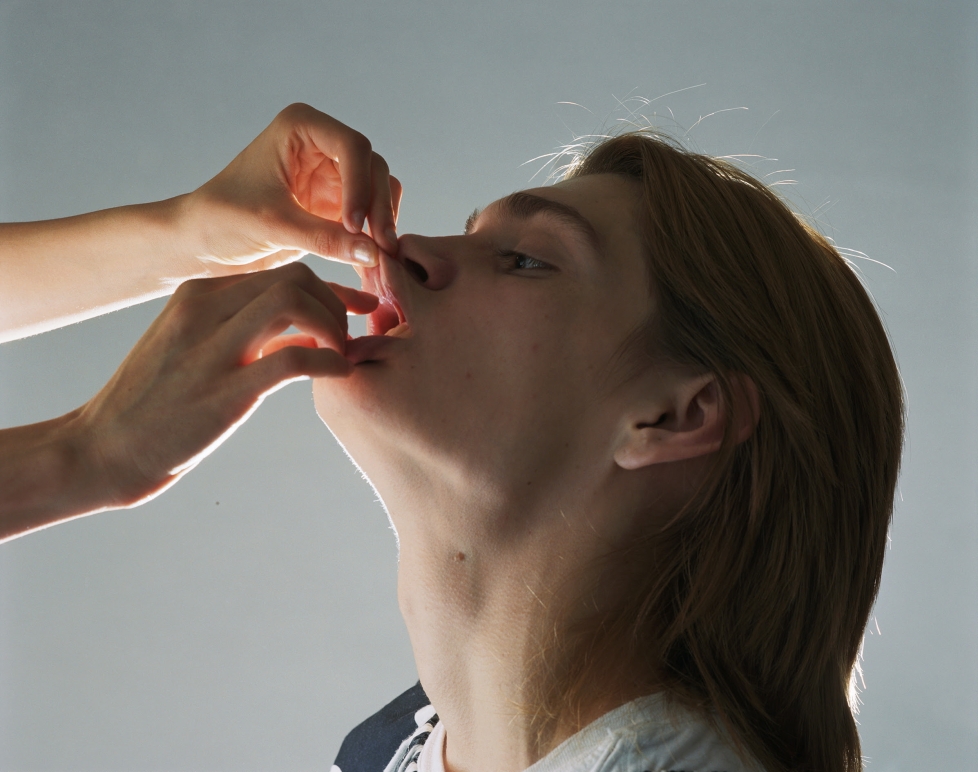
Let’s round things off with a quick look at some of what is happening on Oslo’s gallery scene right now. Fairly tried-and-tested names dominate the programmes, at least during the opening round of the autumn season. Standard (Oslo), which recently moved into new premises in Frogner, thereby confirming the central west-side neighbourhood’s status as Oslo’s new gallery district, is already up and running with a two-person exhibition by veterans Nina Beier and Torbjørn Rødland.
OSL contemporary is collaborating with GalleryLab in Romsås on a two-person exhibition by Mickael Marman and Martin Sæther, while also hosting a solo by the ubiquitous Vibeke Tandberg. Christian Torp has been showing Urd Pedersen’s neo-naïve impasto since last week. At Galleri Riis, it is Marie Buskov’s delicate abstractions in bronze, watercolour, and oil on canvas that set the tone for autumn. Plenty more lies in wait.
Translated from Norwegian