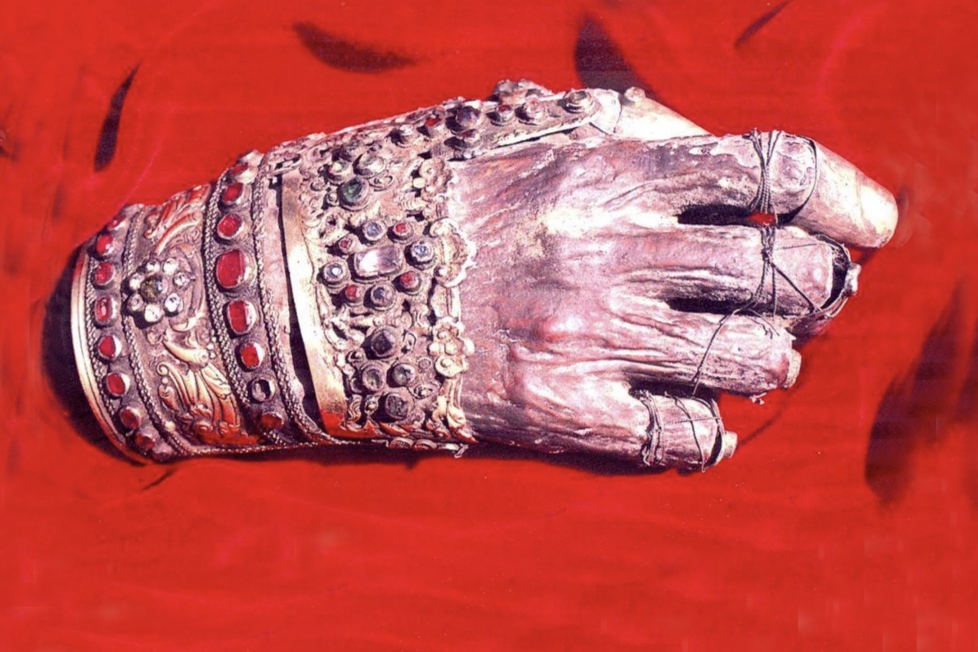
Eat Your Phone, Amen!
How do we hold onto what is materially sacred in a time that worships the cloud?
How do we hold onto what is materially sacred in a time that worships the cloud?
‘Demobilisation is precisely what can break the castle of power. The withdrawal of all energy’, says Franco ‘Bifo’ Berardi.
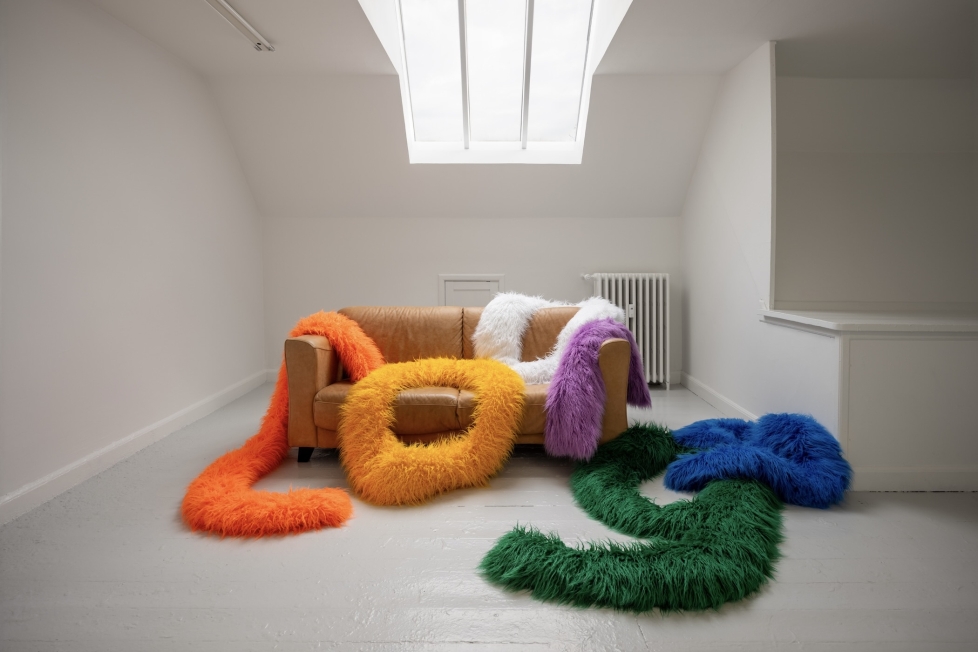
In a large-scale installation of silicone sculptures, Marie Munk finds an unusual way out of techno-determinism.
‘We are not addressing the “crypto art market.” We are selling
contemporary art and the proof of ownership happens to be in the form of NFTs’, say the founders of Juneart.io.
Two major institutions stage contemporary memento mori, and a talking cake warns humanity of the impending apocalypse.
Magnus Andersen expands painting beyond the canvas in a total
installation that grins at contemporary fantasies of idyllic rural life.
With the show Hummings, KØS Museum shows its ambitions to move its programme towards public space, but delivers unconvincing results.
Anne Imhof disappoints in morphing a live performance piece into her first major film work, delivering an infuriatingly long sequence of overhyped images in slow motion.
Thinking with Simone Weil and Thomas Hirschhorn, precariousness and fragmentation emerge as forces that reshape ideas of power, monuments, and art’s role in our troubled present.
In highly ornamented pieces that seduce the eye, Ebony G. Patterson touches deep colonial wounds and stresses the need to discuss them – without ending up in a muddle.
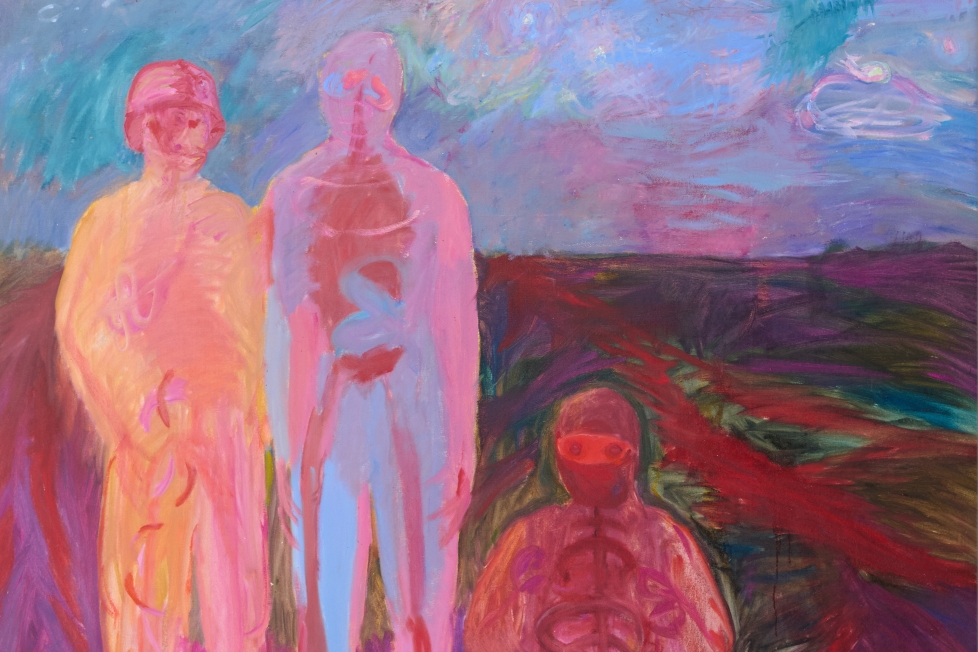
Miriam Cahn summons real and timely struggles in a powerful show composed in the language of dreams.
Abandonment and ghostly presences dominate Jane Jin Kaisen’s body of work and an exhibition that, despite compelling narratives, longs for rhythm and surprise.


Kateryna Lysovenko turns fragility into light and violence into tenderness.
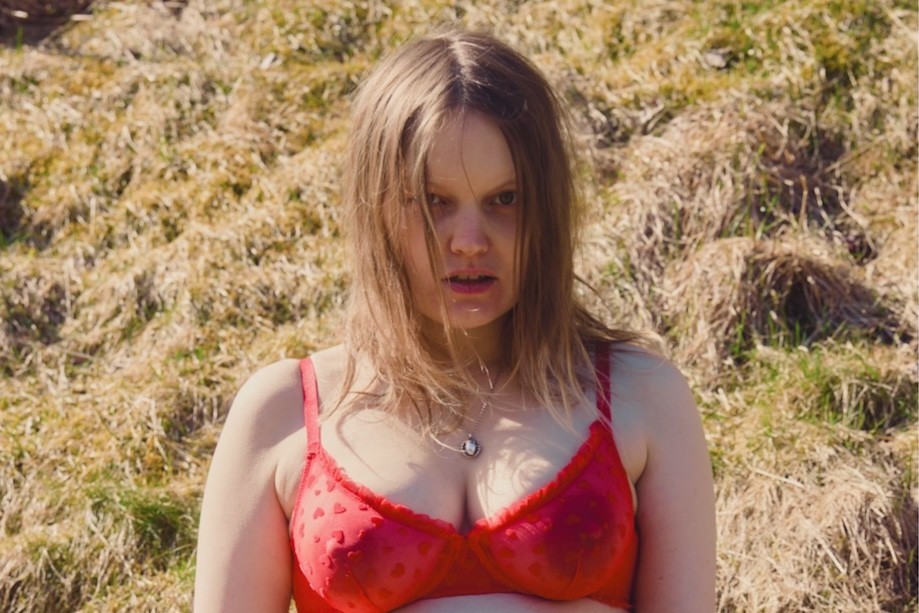
Maria Pasenau is raw, in every sense of the word.
Five great works in and around Copenhagen right now.
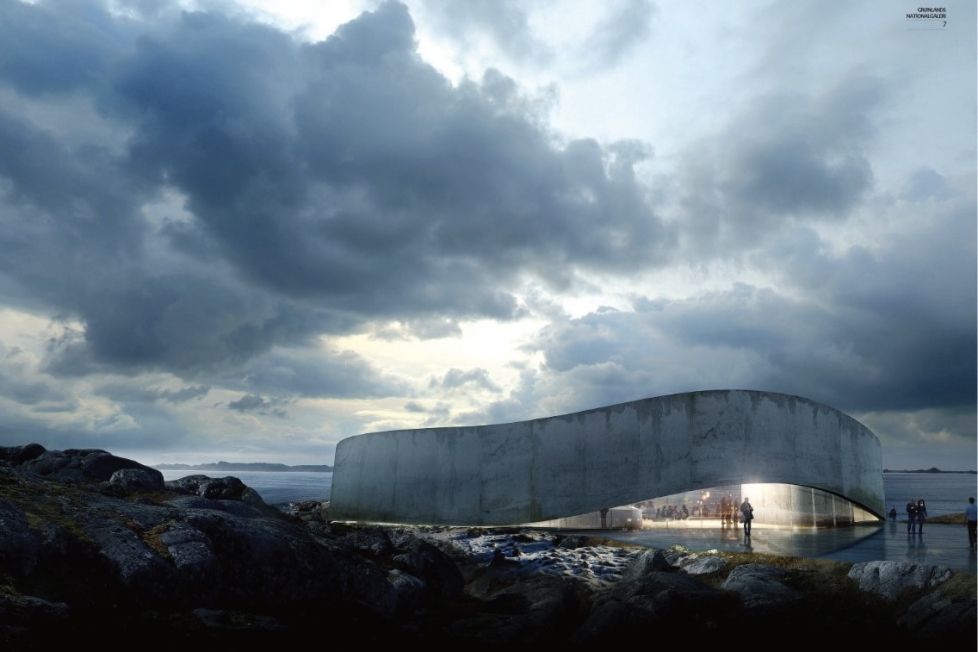
“They have approved a building without considering what it is actually supposed to contain,” says Nivi Christensen on the forthcoming museum in Nuuk.