The Swedish art spring is marked by a shift in power. While artists born in the 1980s now dominate the major institutions, the most far-reaching reorganisation of Swedish cultural policy in decades could simultaneously be underway. Aesthetically, the art scene is flourishing; structurally, it is under strain.
It is an election year, and the current right-wing government’s cultural policy has been a cauldron of reactionary ideas and neoliberal austerity. The current cultural budget is the lowest in twenty years, while SEK 200 million (EUR 20 million) will be allocated to an ill-conceived national canon. Furthermore, a merger of Moderna Museet with the Public Art Agency Sweden and The Centre for Architecture and Design was forced through on 1 January despite massive criticism. Indeed, a re-elected right-wing government, with the right-wing populist Sweden Democrats as the largest party, could mark the end of a cultural policy tradition based on egalitarian principles, autonomous institutions, and strong public funding.
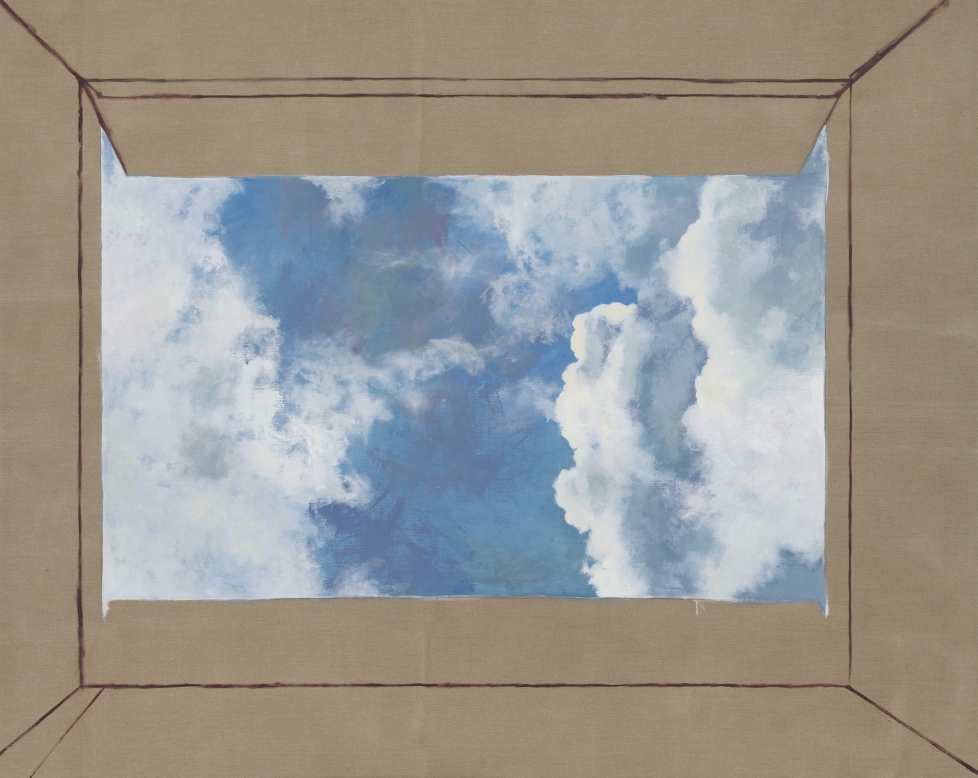
Mohammed Sami, Framed Liberty, 2025. © Mohammed Sami 2026. Courtesy of the artist, Luhring Augustine, New York and Modern Art. Photo: Modern Art. Sami participates in the group exhibition House of Nisaba at Moderna Museet on 14 May.
The impact of the new Moderna Museet on the spring season is already evident as an institution in crisis, marked by recently exposed workplace problems, is expected to absorb two more. Given the organisation’s expanded bureaucracy, when a new director is appointed this fall, the choice is likely to fall on a civil servant rather than a director with strong artistic credentials. The period when Moderna Museet recruited its leadership from international prestige institutions appears to be over – a development to which the current government has clearly contributed.
To make things worse, Moderna Museet’s most high-profile curator, Hendrik Folkerts, is leaving for a position at Kunsthaus Zürich. Few curators have shaped the museum as decisively since Maria Lind’s tenure between 1997 and 2001. Folkerts departs with a major exhibition surveying an allegorical tendency in contemporary painting, House of Nisaba, featuring artists such as Nicole Eisenman, Salman Toor, and Mohammed Sami – precisely the kind of show one expects from Moderna Museet.
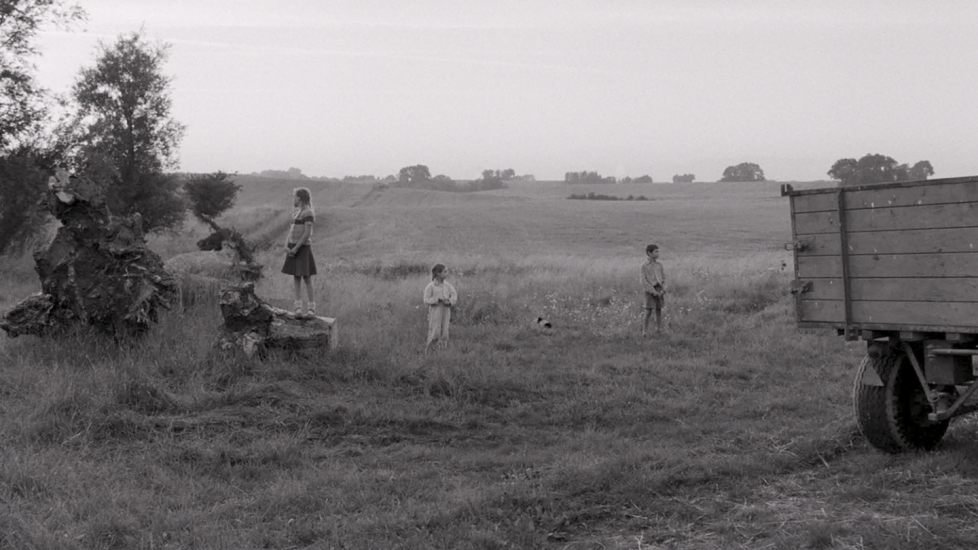
More broadly, the spring season confirms that the millennial generation that took centre stage during the 2010s has now consolidated its position within the leading institutions. The generational shift is no longer unfolding, but has already taken place. One example is John Skoog, whose feature film Redoubt (Värn, 2025) premieres in cinemas in February and will be shown as a video installation at Moderna Museet Malmö. A black-and-white 35 mm film, Värn centres on an eccentric farmer in Scania who built his own fortress during the Cold War, and stars the French actor Denis Lavant. What the installation form brings to the work remains to be seen.
Other examples include Ingela Ihrman, whose clever installations and performances – which some might remember from the Nordic Pavilion at the 2019 Venice Biennial – are on view at Bonniers Konsthall. Furthermore, Olof Marsja and Linnea Sjöberg both have parallel exhibitions at Accelerator in Stockholm, while at Norrköping Art Museum the figurative painter Sara-Vide Ericson presents her largest show to date, combining works shown at Gl. Strand in Copenhagen in 2025 with new paintings.
While Generation X artists born in the 1960s and 70s have been described as cynical, extroverted, and critical of the role of the artist, the millennials now dominating the scene have returned to traditional media and embraced identity. Several artists mentioned here reinvent the Nordic landscape tradition: Skoog keeps returning to the Scanian countryside in southern Sweden; Ericson paints the forests of Hälsingland in the north; Ihrman winks at mythical conceptions of nature rooted in folklore. Even Marsja, drawing on his Sámi heritage, evokes the sense of a mythical past.
That said, this tendency does not seem to extend to Sjöberg, whose collage-like practice ranges from BDSM-themed tapestries to a year-long performance in which she pretended to be a businesswoman, and a work consisting of a fully functioning tattoo studio. How these disparate elements will cohere in her show at Accelerator will be interesting to see.
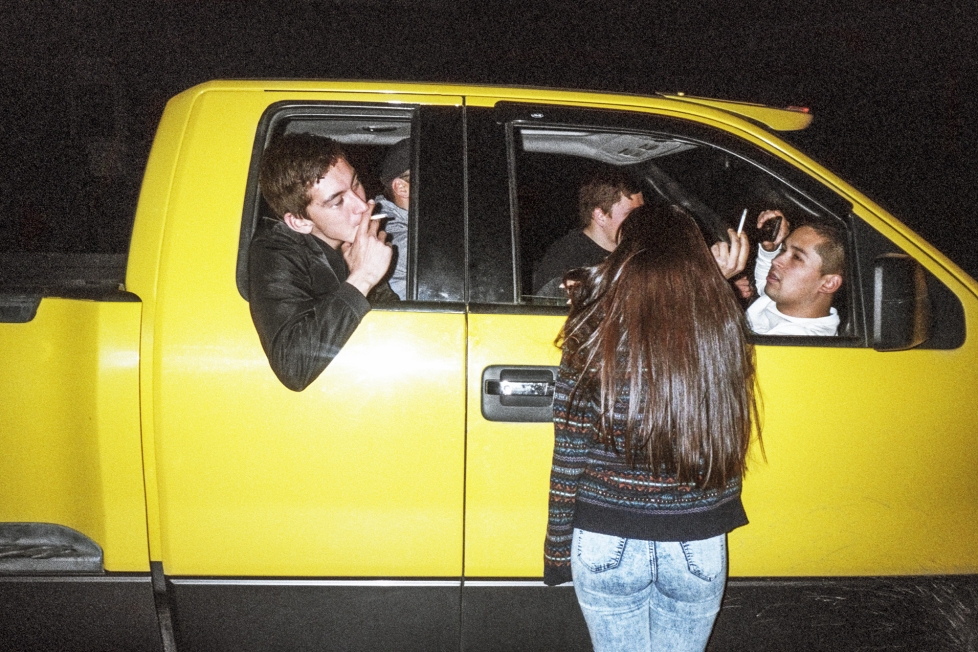
Another millennial is the Greenlandic photographer Inuuteq Storch, whose personal yet critically attentive documentary work is shown at the Hasselblad Center in Gothenburg. At the 2024 Venice Biennial, his show in the Danish Pavilion offered a counterpoint to the biennial’s problematic reliance on exoticising Indigenous aesthetics. Needless to say, Storch’s images of Greenlandic everyday life remain no less relevant in 2026.
Stockholm’s flourishing artist-run scene favours neo-conceptualism over genre conservatism and identity politics. Antics, for example, brings together Gen Z artists with 1980s and 1990s ironists such as Louise Lawler and Art Club 2000 in New Pictures, New Sculpture. Beau Travail, meanwhile, presents an extensive programme including Goldin + Senneby, Nikhil Vettukattil, and the third edition of Skulpturprojekte Stockholm, housed in and around its picturesque cottage in the middle of the city.
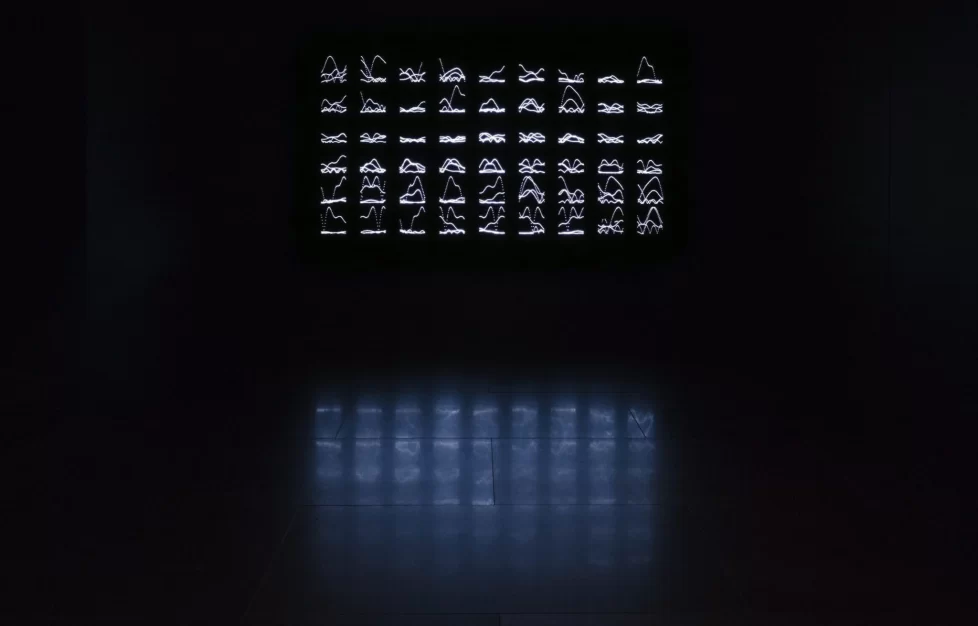
Highlighting marginalised artists has become the default strategy for institutions with a progressive self-image – yet significant figures still remain overlooked. Malmö Konsthall presents a long-awaited retrospective of Catherine Christer Hennix (1948–2023), a transgender multimedia artist with roots in the experimental music scene of the 1960s. The show includes sound works, installations, sculptures, and drawings, and is the first major presentation of Hennix in Sweden since Moderna Museet’s exhibition in 1976. Stockholm’s historic artists’ venue Konstnärshuset likewise tends to revisit neglected artists, this spring showcasing the enigmatic imagery of Gudrun Key-Åberg (1925–1982).
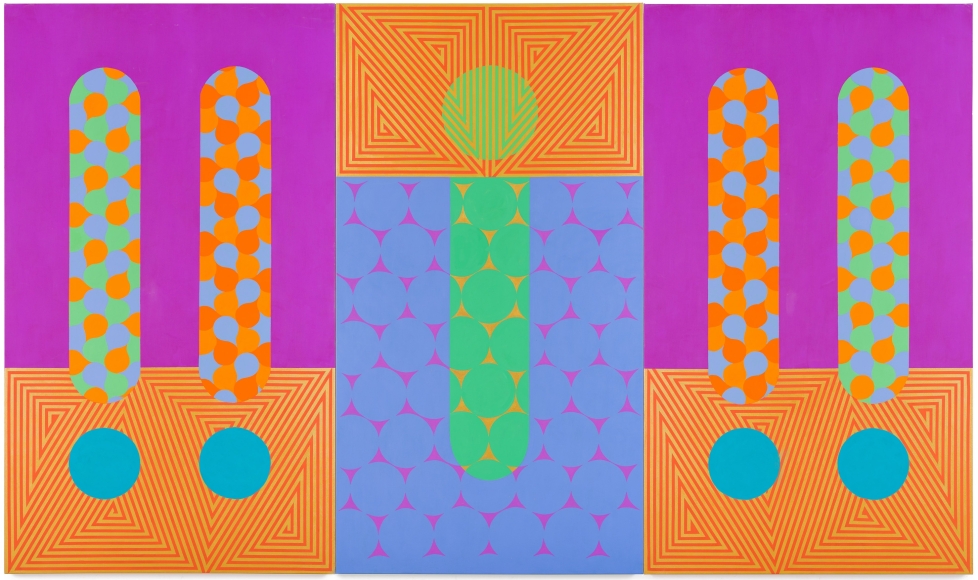
Original practices continue to operate in full public view. Marja-Leena Sillanpää, for instance, is shown on a full scale for the first time at Marabouparken in Stockholm. The exhibition draws on the artist’s more than three thousand books, adhering to the kunsthalle’s focus on writing, poetry, and self-publishing. Another free-spirited artist is the Finnish painter Mari Rantanen, whose vibrant abstractions are presented at the Royal Academy of Fine Arts in a show curated by Maretta Jaukkuri.
While the spring promises a strong season for contemporary art, it offers comparatively few major historical surveys. Still, the National Museum’s presentation of Johan Tobias Sergel (1740–1814) might be worth a visit. It is the first substantial exhibition in many years devoted to Sweden’s leading Neoclassical sculptor, also known for his satirical and erotic drawings. Meanwhile, Moderna Museet revisits Brassaï’s (1899–1984) nocturnal photographs of Paris, while Gothenburg Museum of Art offers a survey with the self-explanatory title The Body. Ideal, Gaze, Freedom.
No spring season in 2026 would be complete without an exhibition about Artificial Intelligence, and indeed Bildmuseet in Umeå delivers the international group exhibition AI and the Paradox of Agency. By contrast, at Konsthall C in Stockholm, political agency is the premise rather than a point of contention. The group exhibition Dreaming Suburbs brings together an international roster of artists and architects encouraging engagement with legal systems and inequalities in the housing market.
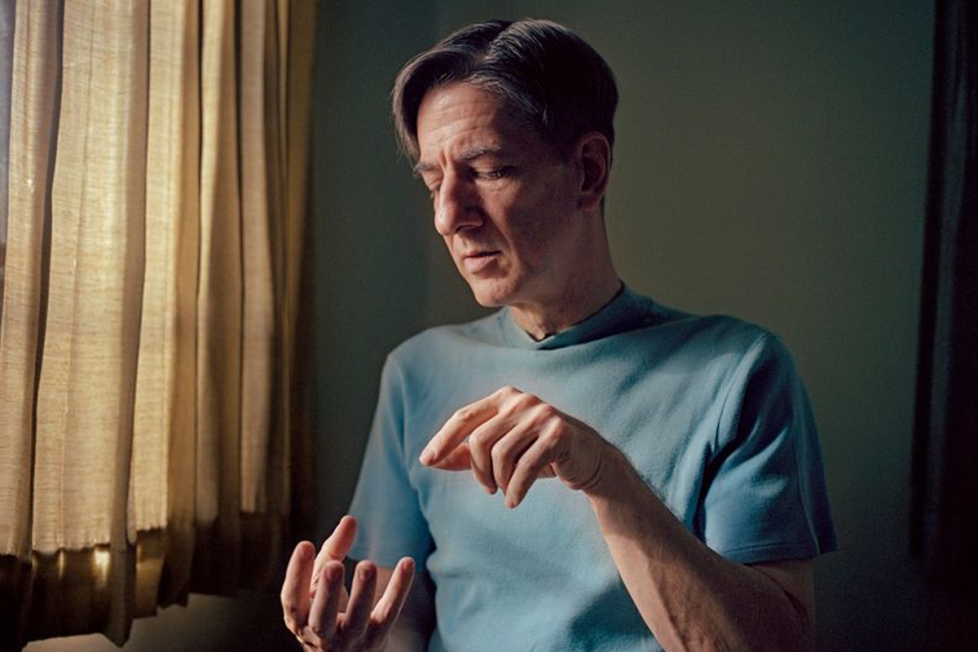
John Skoog is not the only artist with a cinema release this spring. Tova Mozard’s debut feature film, I Love Russ (2025), also premieres in Swedish cinemas in February. Much like Skoog has returned in several works to the eccentric farmer Karl-Göran Persson, Mozard has followed the struggling Hollywood actor Russ Kingston for over two decades. The project has previously resulted in exhibitions at Nikolaj Kunsthal in Copenhagen and Cecilia Hillström Gallery in Stockholm. Viewers invested in solitary figures and post-war American vernacular will find much to engage with here.
The musician Nick Cave is another artist invested in folkloristic aesthetics. During the pandemic, he began making devil-themed porcelain figures, now presented at Kulturhuset in Stockholm. Whatever one’s view of Cave’s work, Kulturhuset surely hopes to capitalise on his celebrity. Indeed, if politicians continue to erode cultural policy, then such manoeuvres are bound to become increasingly common in Sweden’s public institutions.