Space Making, Astrup Fearnley Museet, Oslo
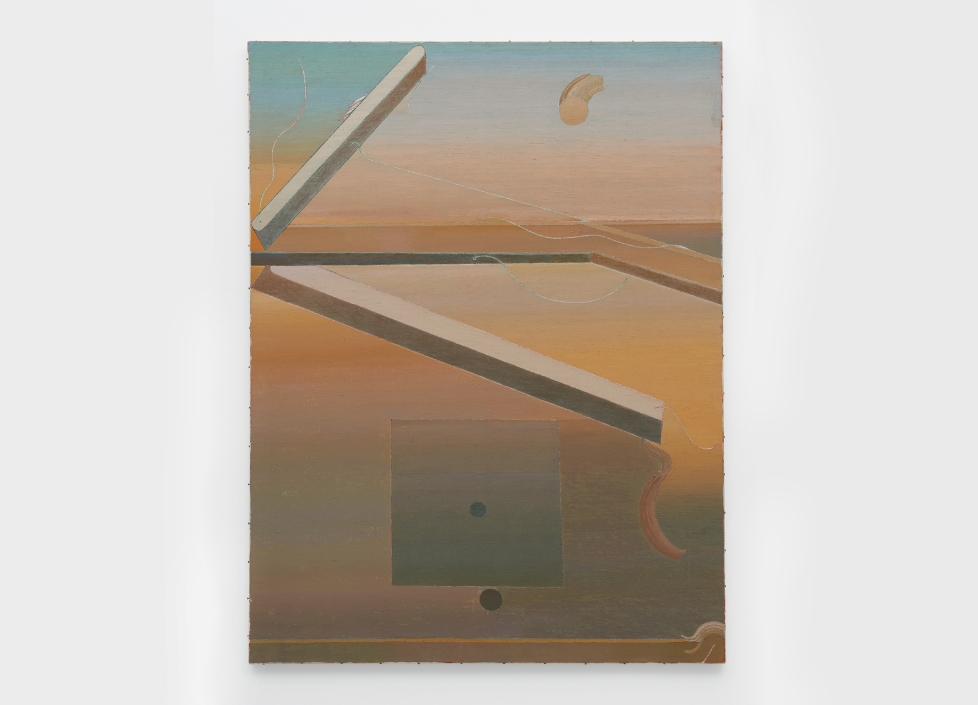
Space Making demonstrated that it is possible to set out to do something as vague as making an exhibition of abstract painting concerned with space and still achieve a worthwhile result. Alongside generous, well-composed presentations of sure hands like Julia Rommel and Hanne Borchgrevink, it was a pleasure to stumble across works by Miyoko Ito (1918-1983), who was previously unknown to me. I have racked my brain trying to come up with an apt characterisation of her drowsy blend of interior and exterior, where graded fields in pastel and earth tones are cut through by sharp, faintly ornamental contours. But I can’t come up with anything better than the probably irritatingly opaque line that they resemble private vistas on the inside of the painting.
Høstutstillingen, Kunstnernes Hus, Oslo
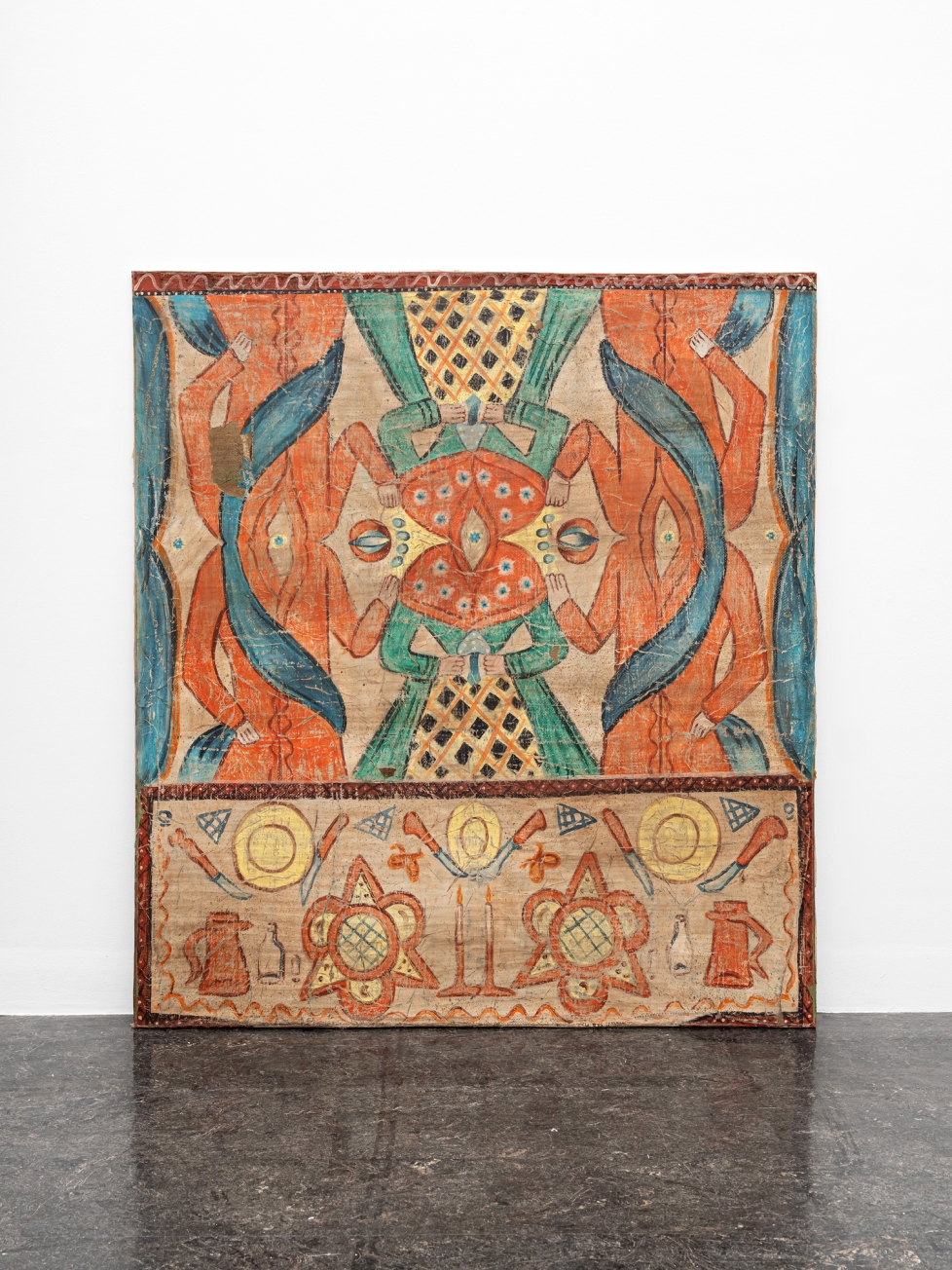
I find myself increasingly drawn to jury-selected, open-call exhibitions like Høstutstillingen (The Autumn Exhibition), where art isn’t merely used as a scaffolding for grand ideas, and the whole takes a back seat to what is on the walls, only provisionally held together by through-lines that you don’t even necessarily register. It relaxes the atmosphere and makes your engagement with the works more nimble. I kept returning to Martin Stråhle’s Äta svamp (Eat mushrooms, 2025): a piece of charmingly loose medieval psychedelia conjured on jute canvas using filler, glue, bone meal, pigment, rust-proofing compound, shellac, and the like. It punched a metaphorical hole through the wall, and through time. I am tempted to coin a term: alchemism.
Stian Grøgaard, Pauline, Kunstnernes Hus, Oslo
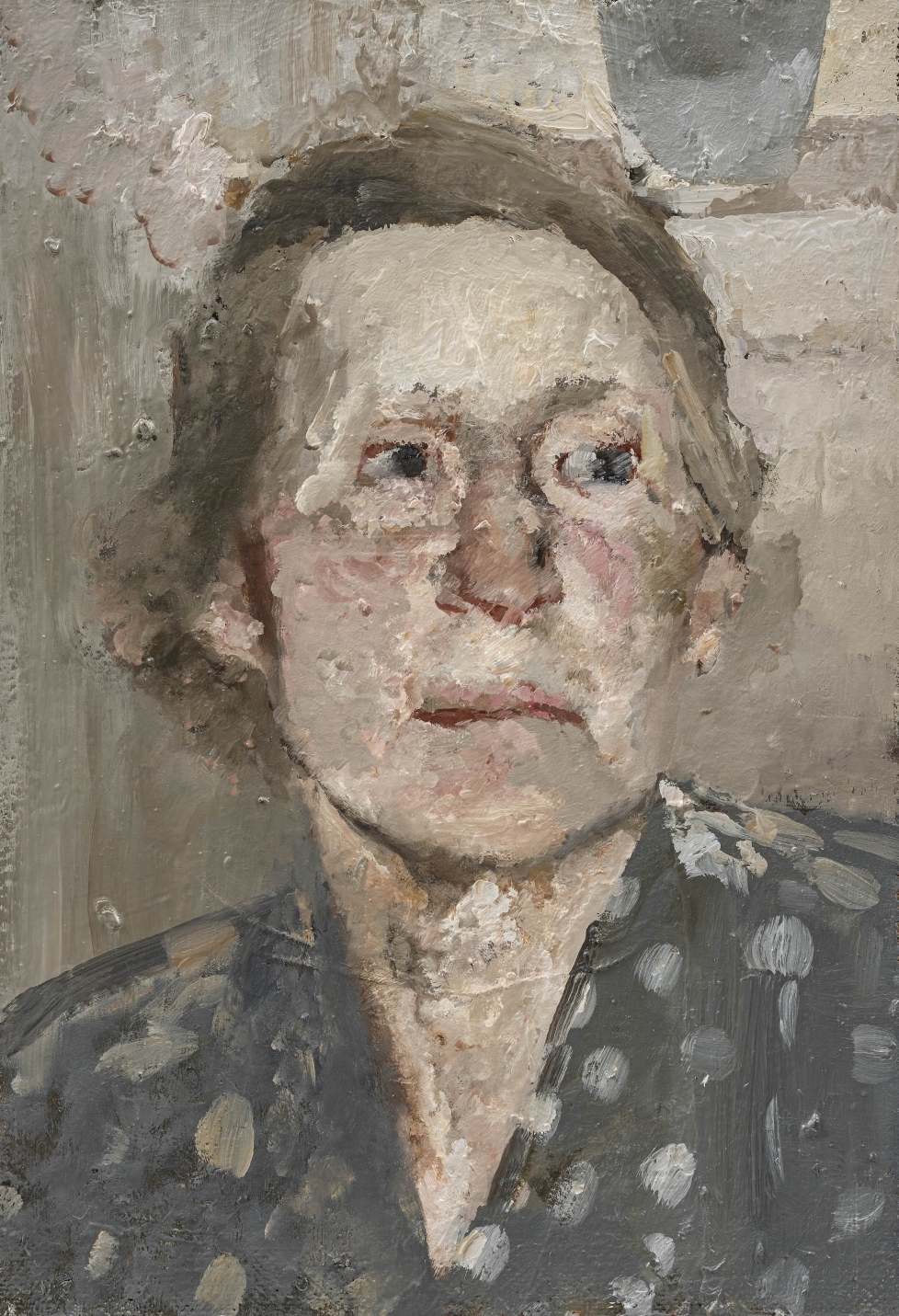
I might as well go all-in on painting. Grøgaard’s Pauline, on view through 11 January, arrives somewhat from the sidelines: a selection of tender portraits of family members and close quotations from art-historical precedents by an artist who had put down his brush decades before he passed away in the autumn of 2021. Even so, the exhibition by the former theory professor at the Oslo National Academy of the Arts feels like a natural and timely addition to the program at Kunstnernes Hus. The concentrated labour documented in Grøgaard’s paintings means they have an effect-radius of about two metres. In return, they hold your gaze once they catch it, inviting an altogether different pact between image and perception than the one we have grown accustomed to, in art too.
Translated from Norwegian.
For this year’s contributions to the Advent Calendar, see here.