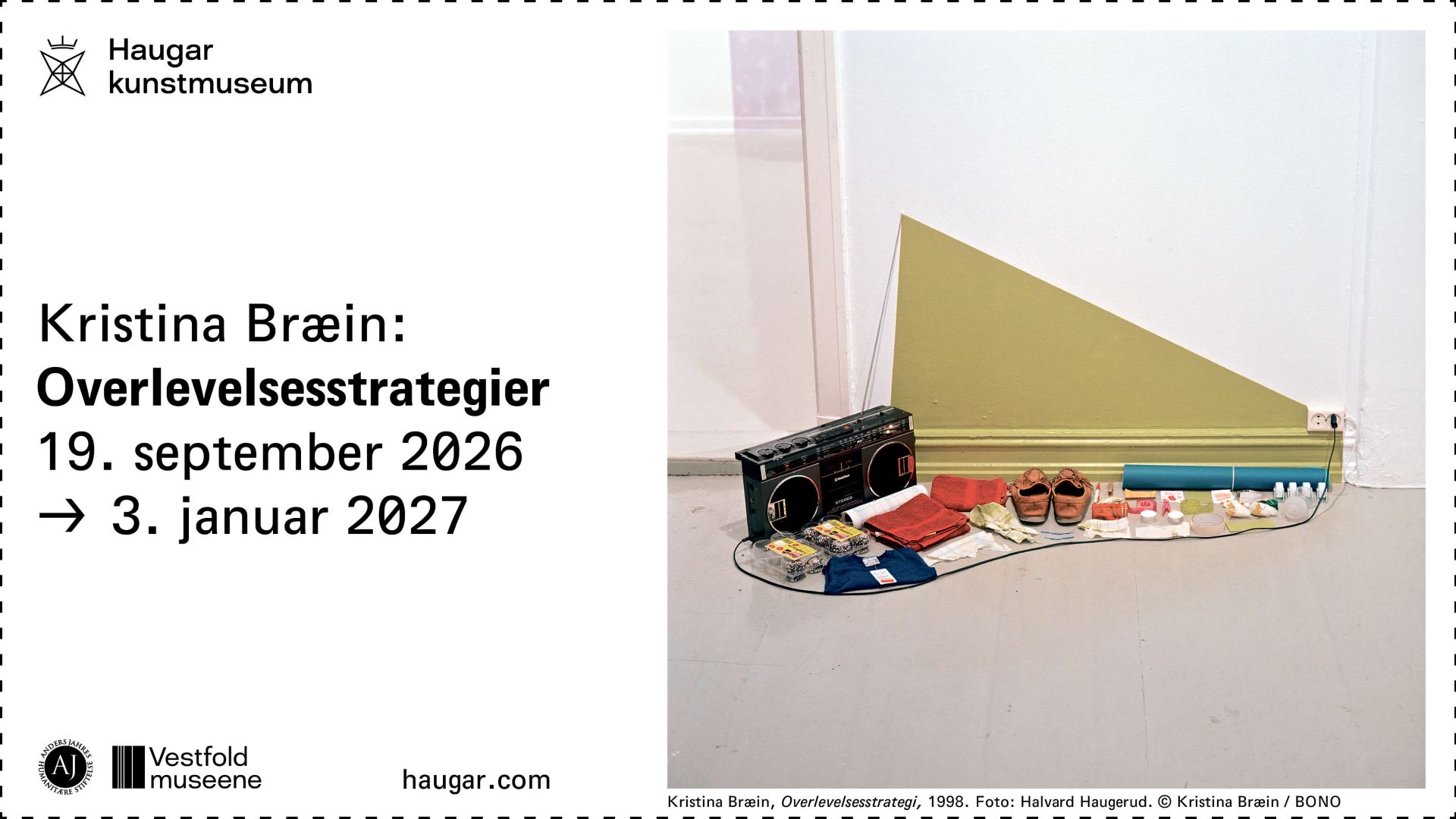
Hanna Ryggen Triennial, Multiple venues, Trondheim
What began tentatively at the National Museum of Decorative Arts (Nordenfjeldske) in a very different time has, with each new edition, expanded to include ever more satellites in a movement reminiscent of the classic sci-fi nightmare The Blob from 1958 (a 1988 remake was, incidentally, screened at a cinema barely a hundred metres from where I’m writing this). There is not necessarily any inherent logic – not even an inverted one – behind the fact that the triennial seems to grow more cohesive and focused as it gradually becomes an ever more sprawling affair. In retrospect, this edition was exceptionally concentrated, managing to honour both the triennial’s deepest roots and its potential as a visionary platform.
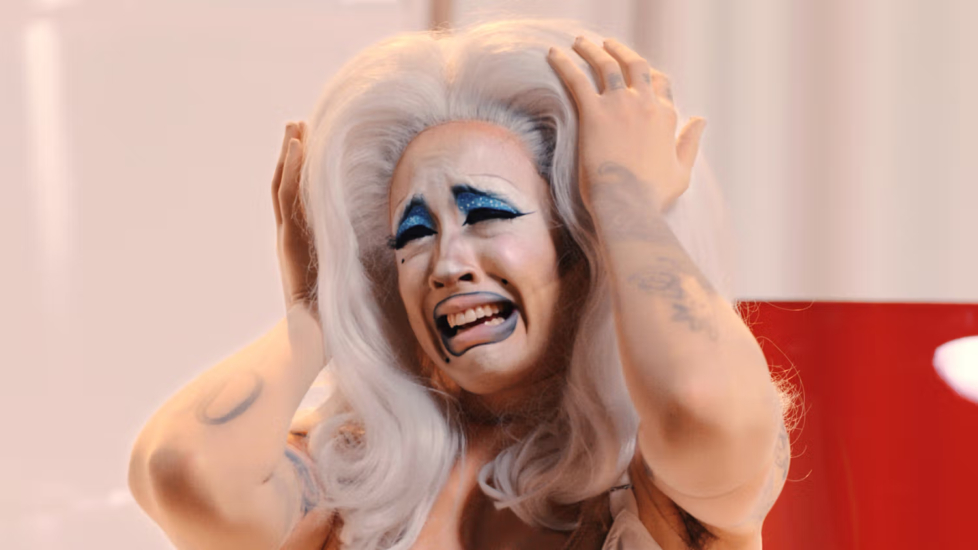
Sin Wai Kin, Man’s World, Kunsthall Trondheim, Trondheim
As an imagined future increasingly reveals itself to be just that – imagined – there remains, after all, a cautious optimism in acknowledging that it can at least still be dreamt. Sin Wai Kin’s heartfelt blend of slapstick and Surrealism grabs hold of you, with its unpredictable play between detached irony and deep, genuine grief. Identities shift, belonging is nowhere to be found, and the perfect mode of address is a sitcom. This won’t leave you alone.
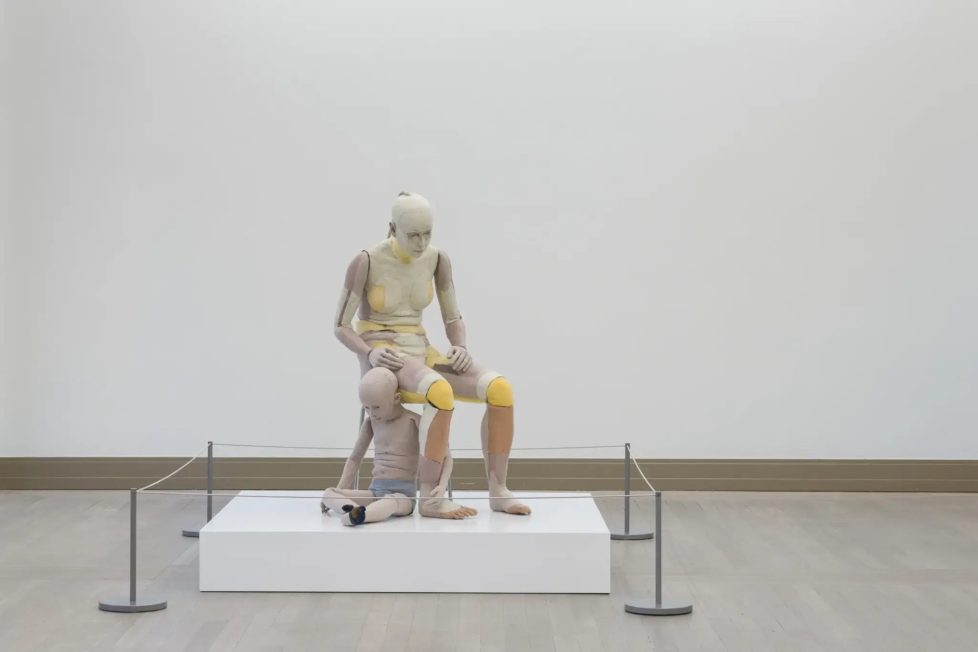
Anna Odell, Rekonstruksjon – Psyket (Reconstruction – The Psyche), Trondheim Art Museum, Trondheim
This exhibition may have opened in the autumn of 2024, but it lingered well into 2025 as a persistent disturbance. The two-part video work, with its insistent phone calls and repetitive footsteps through hospital corridors, serves both as a kind of key to the complex artistic practice Odell has developed over the years and as a painful exposé of a mental health system in which chance determines the outcome. After seeing this reconstructed sequence, it feels as if meeting the gaze of another human being ever again would be fraught with genuine danger.
– Tommy Olsson is a writer and art critic who lives and works in Trondheim. He trained as an artist at the Trondheim Academy of Fine Art and the Rijksakademie van Beeldende Kunsten in Amsterdam, and holds a degree in Curatorial Practice from the Bergen Academy of Art and Design. His most recent publication is Til stede, et essay (Present: An Essay, Kolon, 2020). Olsson regularly contributes to Klassekampen and Kunstkritikk.
Translated from Norwegian
For this year’s contributions to the Advent Calendar, see here.